



Long Beach breaks container volume record for February
California's major port in Long Beach has reported its busiest February in its history, moving 796,560 TEU, which translates to a 3.2% increase compared to the same month last year.
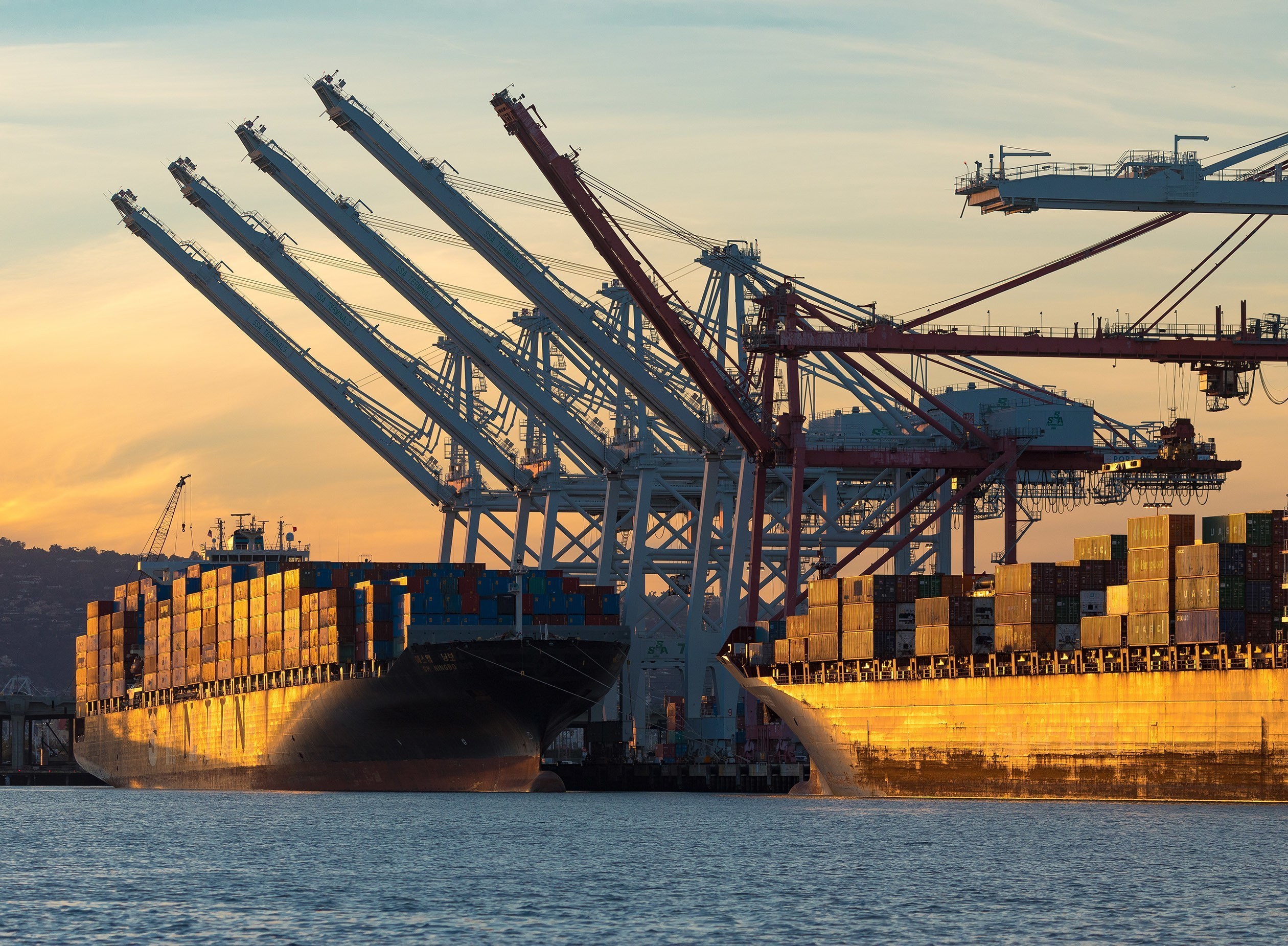
February's imports at the Port of Long Beach (POLB) grew by 4.4% reaching 390,335 TEU, while the port's exports declined 1.2% to 117,935 TEU. At the same time, empty boxes moved through the port were up 3.5% to 288,290 TEU.
"We are moving record amounts of cargo and catching up with the ongoing surge of imports," said POLB executive director Mario Cordero, who added, "Meanwhile, we are proceeding with measures we will need in the long term, such as development of our Supply Chain Information Highway data solution, which provides greater cargo visibility, connectivity and predictability."
Long Beach harbor commission president, Steven Neal commented, "New records continue to be set by our hardworking workforce. We are collaborating with our industry partners to keep the supply chain moving as efficiently as possible."
This record performance was achieved despite the fact that trade typically slows in February as east Asian factories close for up to two weeks to celebrate the Lunar New Year, pointed out the US port in its statement.
"Economic activity is anticipated to rebound after inflation cut into consumer spending during the first quarter of 2022, but it remains unclear how the war in Ukraine will affect the economy and financial markets," noted the Port of Long Beach, which added that consumers are purchasing fewer goods and spending more on dining out, entertainment and other services due to the decline in Covid-19 cases.
Source: Container News
Related News

10/06
2026
The update of the Wan Hai Bunker Surcharge (WBS) for Q3/2026 by Wan Hai Lines (WHL) aims to proactively manage operational costs amidst the continuous fluctuations in global oil prices, while complying with stringent clean fuel standards in international maritime transport. This periodic adjustment helps ensure the maintenance of service quality and the stability of shipping routes departing from key southern port clusters (Ho Chi Minh City, Dong Nai, Ba Ria - Vung Tau) to global markets.

05/05
2026
The revised surcharge will take effect from June 1, 2026 (based on gate-in date) and will remain applicable until further notice.

25/03
2026
The global aviation industry is facing a new wave of disruption as ongoing tensions in the Middle East continue to put pressure on jet fuel costs, flight operations, and the overall stability of international air networks. The impact is no longer limited to routes passing directly through conflict-affected areas. Instead, it is now spreading across multiple markets, driving higher airfares while also increasing the risk of flight delays and cancellations on a broader scale.