



Major Warehouse Fire in Hong Kong Causes Severe Damage and Disrupts Logistics Operations
At noon on May 27, 2025, a serious fire broke out at a warehouse on Ha Tsuen Road in the Tin Shui Wai area of the New Territories, Hong Kong.
The blaze ignited at approximately 12:40 PM and quickly spread due to the presence of highly flammable materials such as textiles, electronic equipment, and packaging supplies.
Firefighters elevated the emergency response to a Level 3 alarm in less than an hour — indicating a high level of danger. Over 430 firefighters and medical personnel were deployed, supported by 94 fire engines and 9 ambulances. Temperatures inside the warehouse soared to 550°C, creating significant challenges for firefighting teams.
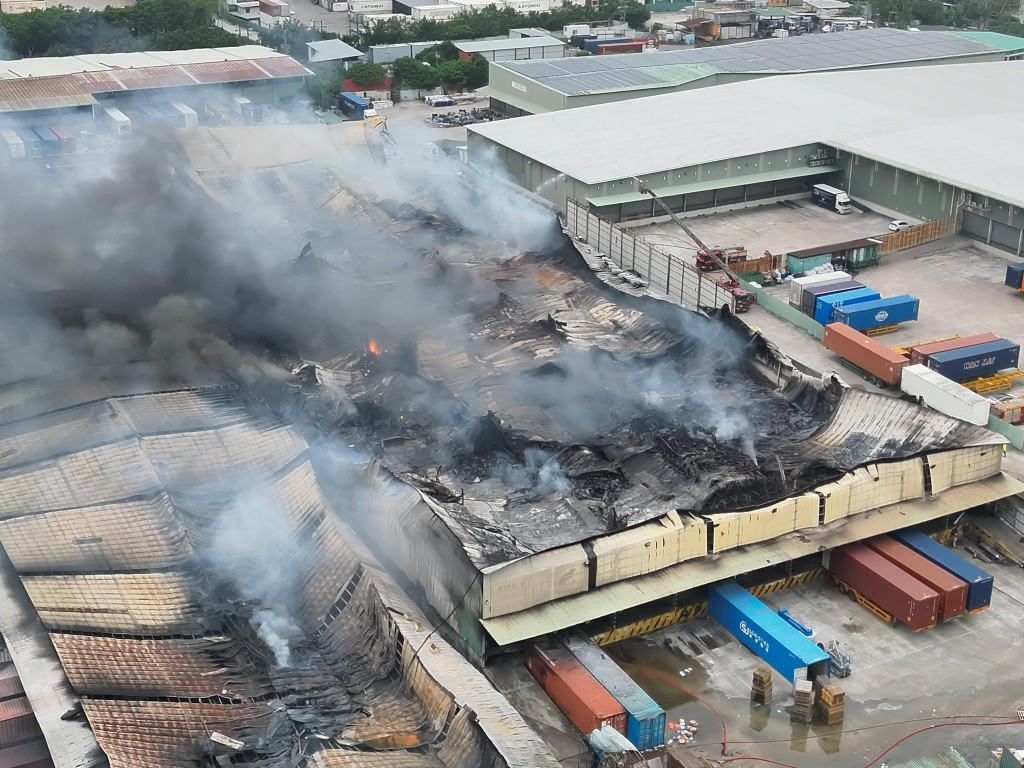
At least two people were injured, including one worker with second-degree burns and one firefighter who suffered smoke inhalation. More than 200 local residents and workers were evacuated as authorities issued health warnings over toxic smoke spreading throughout the area.
The Tin Shui Wai area lies close to key trade routes, especially the freight corridor linking Hong Kong's port to mainland China via the Lok Ma Chau border checkpoint — one of the region’s most critical commercial gateways. The warehouse involved in the fire was a vital part of the import-export logistics chain, operated by a private logistics company.
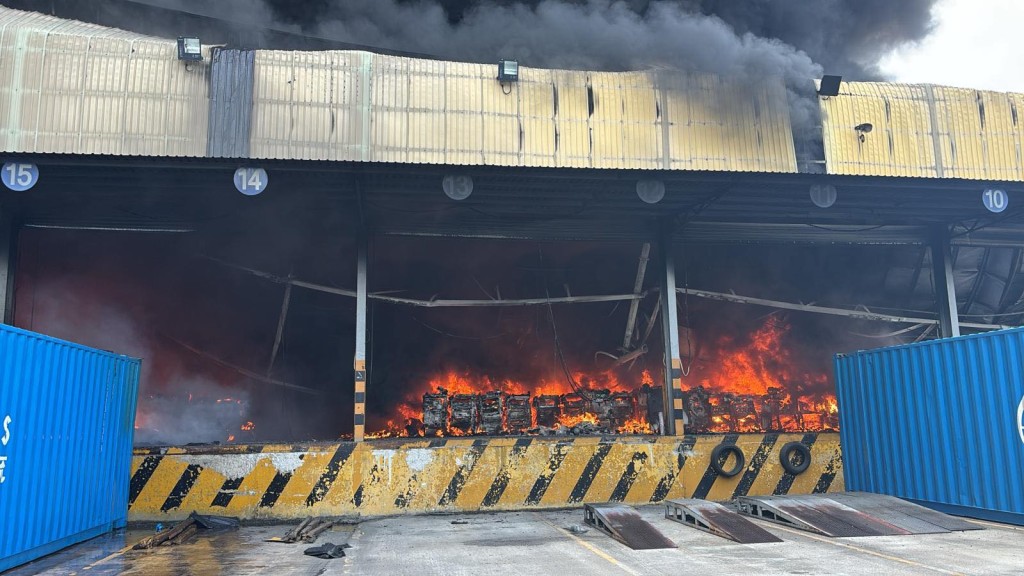
The fire has caused widespread disruptions to the logistics sector, including:
- Supply chain congestion: Containers awaiting processing at the damaged warehouse had to be rerouted or delayed, resulting in bottlenecks at nearby logistics hubs and significantly reducing operational efficiency across the region.
- Delays in international shipping: Numerous export shipments from Hong Kong to European and North American markets, via both sea and air transport, were affected. Some cargo was completely destroyed, while others remain unverified, leading to serious backlogs and prolonged delivery times.
- Major financial losses: Initial estimates suggest damages amounting to tens of millions of Hong Kong dollars. The fire not only destroyed physical goods but also disrupted transportation schedules, insurance claims, and contract commitments — severely impacting especially small and medium-sized logistics businesses.
- Disruptions to surrounding logistics facilities: Several nearby warehouses within a 500-meter radius were forced to suspend operations due to safety concerns and exposure to toxic smoke. This resulted in a noticeable drop in logistics output for at least 48 hours, further straining delivery timelines.
Related News

10/06
2026
The update of the Wan Hai Bunker Surcharge (WBS) for Q3/2026 by Wan Hai Lines (WHL) aims to proactively manage operational costs amidst the continuous fluctuations in global oil prices, while complying with stringent clean fuel standards in international maritime transport. This periodic adjustment helps ensure the maintenance of service quality and the stability of shipping routes departing from key southern port clusters (Ho Chi Minh City, Dong Nai, Ba Ria - Vung Tau) to global markets.

05/05
2026
The revised surcharge will take effect from June 1, 2026 (based on gate-in date) and will remain applicable until further notice.

25/03
2026
The global aviation industry is facing a new wave of disruption as ongoing tensions in the Middle East continue to put pressure on jet fuel costs, flight operations, and the overall stability of international air networks. The impact is no longer limited to routes passing directly through conflict-affected areas. Instead, it is now spreading across multiple markets, driving higher airfares while also increasing the risk of flight delays and cancellations on a broader scale.