



Taiwan to spruce up seven ports by 2026
Taiwan’s Ministry of Transport and Communications (MOTC) will invest US$1.37 billion in a five-year plan to upgrade seven of the island’s international ports.
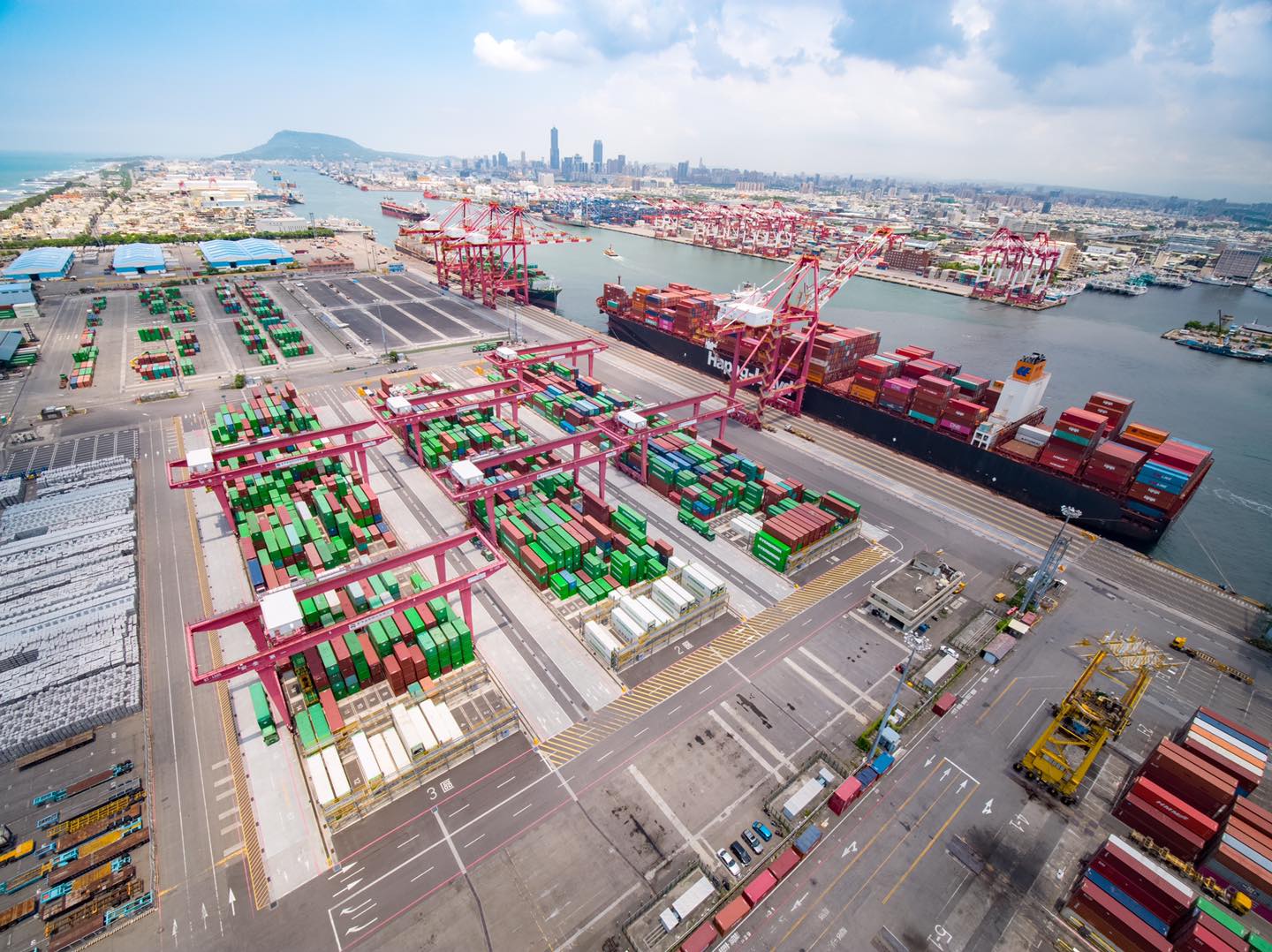
The ministry’s Comprehensive Commercial Port Development Plan aims to boost aggregate container throughput to 18.6 million TEU and turn the ports of Kaohsiung, Taipei, Keelung, Hualien, Taichung, Anping and Su’ao into environmentally friendly and smart ports.
MOTC expects that, upon completion in 2026, the upgraded ports to create 13,000 jobs and attract around US$11 billion of investments.
Taiwan International Ports Corporation’s associate general manager, Wang Chin-jung said that each port has its own unique features.
Kaohsiung, Taiwan’s busiest container port, ranks 16th among the world’s container ports, having handled 9.62 million TEU in 2020. Wang hopes that after upgrading, Kaohsiung’s volumes can rise to 11.44 million TEU in 2026.
Source: Container News
Related News

10/06
2026
The update of the Wan Hai Bunker Surcharge (WBS) for Q3/2026 by Wan Hai Lines (WHL) aims to proactively manage operational costs amidst the continuous fluctuations in global oil prices, while complying with stringent clean fuel standards in international maritime transport. This periodic adjustment helps ensure the maintenance of service quality and the stability of shipping routes departing from key southern port clusters (Ho Chi Minh City, Dong Nai, Ba Ria - Vung Tau) to global markets.

05/05
2026
The revised surcharge will take effect from June 1, 2026 (based on gate-in date) and will remain applicable until further notice.

25/03
2026
The global aviation industry is facing a new wave of disruption as ongoing tensions in the Middle East continue to put pressure on jet fuel costs, flight operations, and the overall stability of international air networks. The impact is no longer limited to routes passing directly through conflict-affected areas. Instead, it is now spreading across multiple markets, driving higher airfares while also increasing the risk of flight delays and cancellations on a broader scale.