



2 Port Houston terminals remain closed due to hardware failure
Port Houston halted operations Tuesday at its two main public container terminals due to a major hardware failure, officials said.
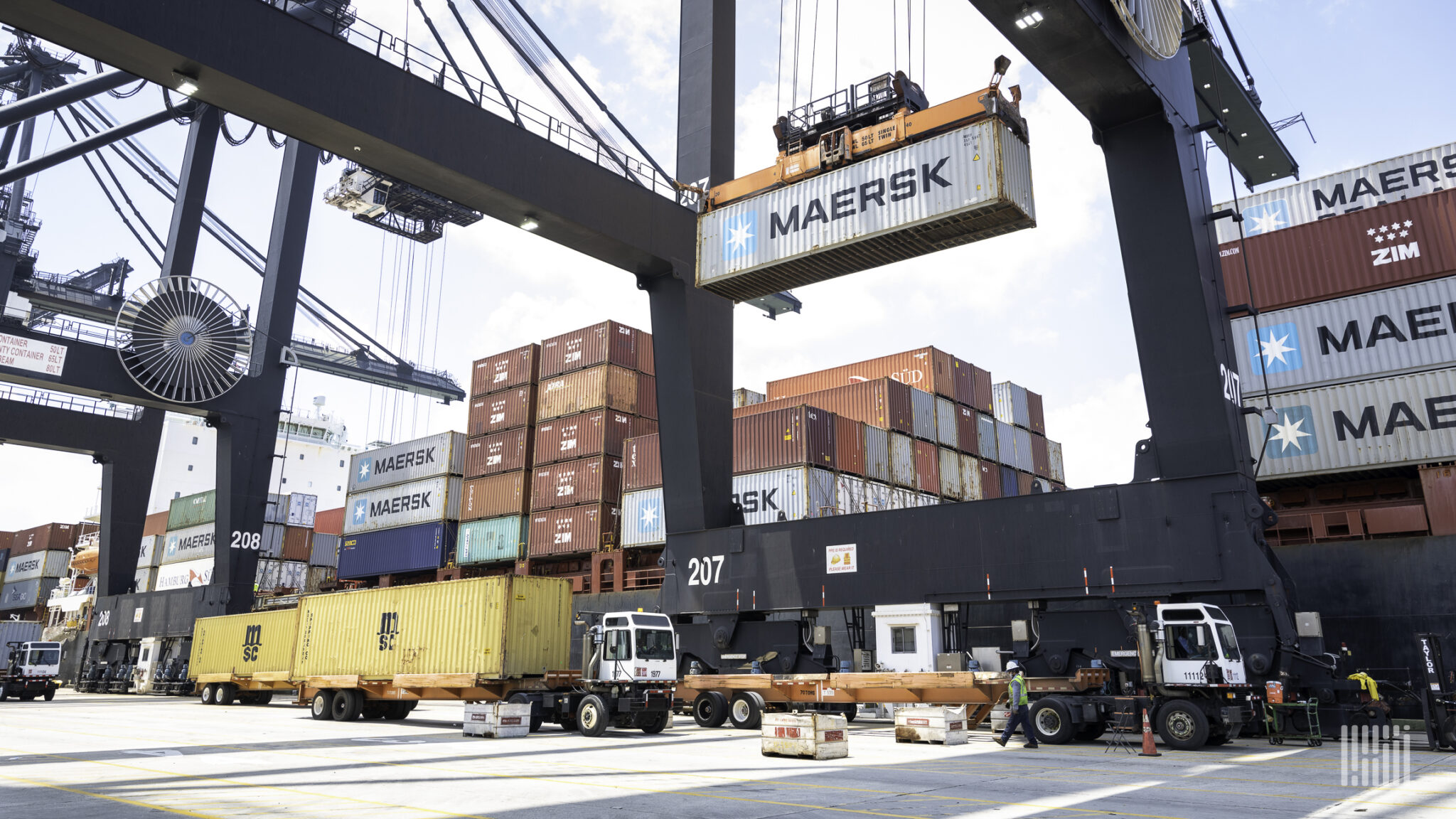
The issues at the Bayport and Barbours Cut terminals were first reported Tuesday, just before the gates were set to open at about 7 a.m.
In a letter posted on the port’s website on Wednesday, Port of Houston Executive Director Roger Guenther said the port experienced a “major failure of the storage devices that support all applications used to operate both Barbours Cut and Bayport container terminals” prior to the opening.
“Our staff responded immediately and moved the applications and associated data to a redundant set of storage devices and the terminals were again operational by 10 a.m.,” the letter stated. “Unfortunately, the redundant storage devices failed at noon and the terminals have been unable to process any transactions since then. I want to be clear that this is not a cyber-attack on the Port Houston operating system.
“The ships that were already in progress have been able to continue working, but new vessel starts have not been possible,” Guenther added. The truck gates at both container facilities also continue to be idle.
Both the Bayport and Barbours Cut terminals will remain closed at 7 a.m. Thursday, port officials tweeted Wednesday.
Once both terminals resume operations, Guenther said they plan to have daily extended gate hours, including weekends.
𝐹𝑟𝑒𝑖𝑔ℎ𝑡 𝑊𝑎𝑣𝑒𝑠
Related News

10/06
2026
The update of the Wan Hai Bunker Surcharge (WBS) for Q3/2026 by Wan Hai Lines (WHL) aims to proactively manage operational costs amidst the continuous fluctuations in global oil prices, while complying with stringent clean fuel standards in international maritime transport. This periodic adjustment helps ensure the maintenance of service quality and the stability of shipping routes departing from key southern port clusters (Ho Chi Minh City, Dong Nai, Ba Ria - Vung Tau) to global markets.

05/05
2026
The revised surcharge will take effect from June 1, 2026 (based on gate-in date) and will remain applicable until further notice.

25/03
2026
The global aviation industry is facing a new wave of disruption as ongoing tensions in the Middle East continue to put pressure on jet fuel costs, flight operations, and the overall stability of international air networks. The impact is no longer limited to routes passing directly through conflict-affected areas. Instead, it is now spreading across multiple markets, driving higher airfares while also increasing the risk of flight delays and cancellations on a broader scale.