



Louisiana Port moves forward with new box terminal and integrated rail logistics
Plaquemines Port Harbor & Terminal District authorities in Louisiana made major announcements on 11 August with the proposed new container terminal inching closer to reality, as the development partners LA23 Development Co. secure land along the Mississippi river for the terminal.
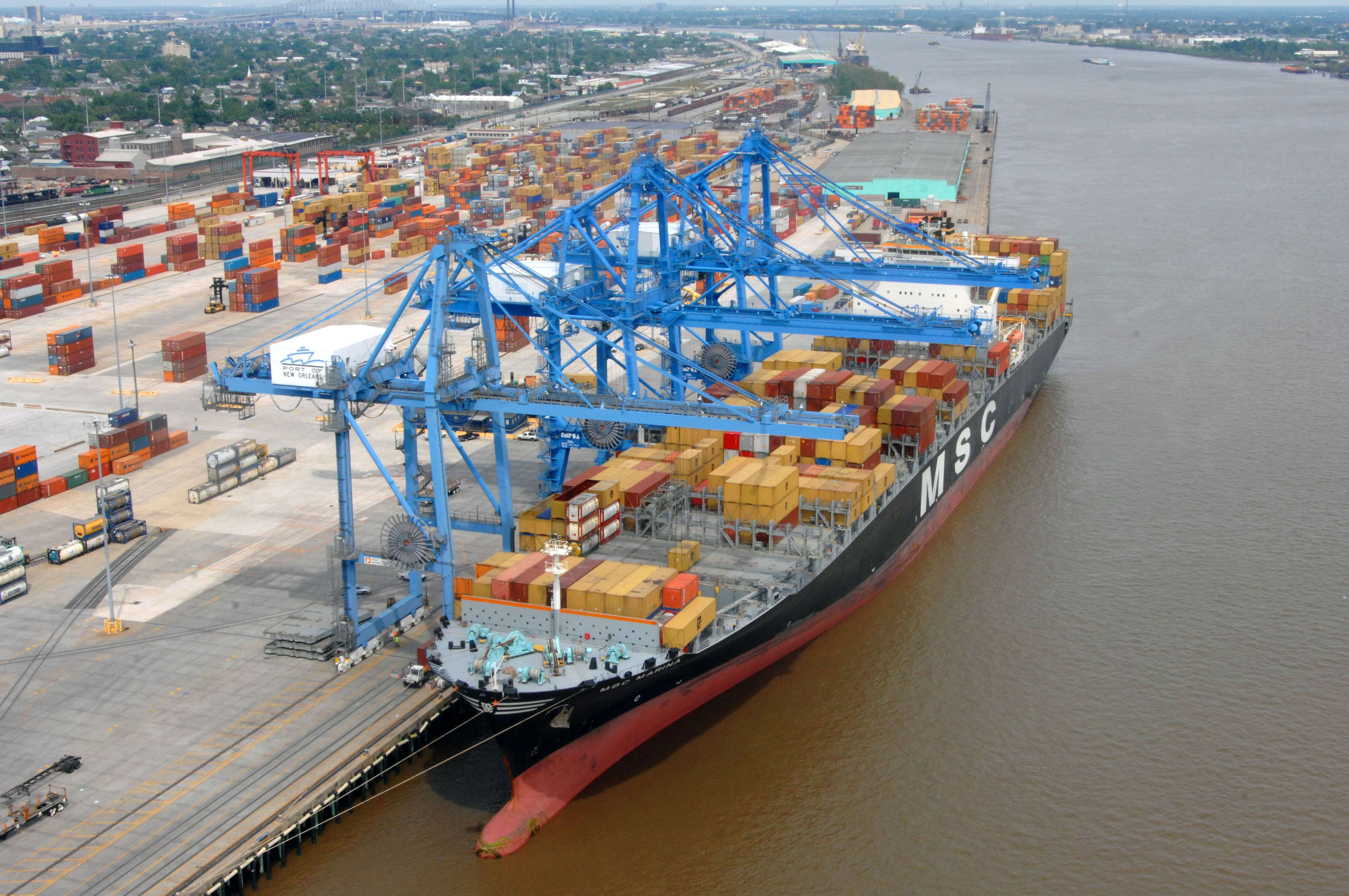
Plaquemines port authorities have been closely working with LA23 Development Co. and Sustainability Partners for the construction of a new deepwater, multimodal gateway container terminal. The proposed site of 4 km², lies along the western coast of the Mississippi River and about 80 km from the Gulf of Mexico.
The terminal is proposed to be capable of berthing vessels with a capacity of up to 22,000TEU and seeks to provide better accessibility to logistics in the region by increased connectivity to the class I railroad networks like Union Pacific and BNSF and several smaller port terminal operators along the western bank of the river corridor through extended rail lines.
According to Chris Fetters, CEO of LA23, "Rail is a vital component to the success of the terminal and we are looking forward to the partnership with Sustainability Partners.” The extension network proposed of up to 16 km is a US$50 million project under public-private partnership.
The terminal is expected to boost traffic along the marine highways connected to midwest ports with American Patriot Holdings (APH), being the prominent supplier of shipping services along the routes.
The container terminal is also envisioned to be eco-friendly, with natural gas being proposed as the prime source of power and equipment driven on electric power. According to concerned authorities, the terminal should take only six to nine months for construction after approval is received, which might take up to 18 months.
Plaquemines Port is in due deliberations with APM Terminals which has been named as the future operator of the new container terminal.
Source: Container News
Related News

10/06
2026
The update of the Wan Hai Bunker Surcharge (WBS) for Q3/2026 by Wan Hai Lines (WHL) aims to proactively manage operational costs amidst the continuous fluctuations in global oil prices, while complying with stringent clean fuel standards in international maritime transport. This periodic adjustment helps ensure the maintenance of service quality and the stability of shipping routes departing from key southern port clusters (Ho Chi Minh City, Dong Nai, Ba Ria - Vung Tau) to global markets.

05/05
2026
The revised surcharge will take effect from June 1, 2026 (based on gate-in date) and will remain applicable until further notice.

25/03
2026
The global aviation industry is facing a new wave of disruption as ongoing tensions in the Middle East continue to put pressure on jet fuel costs, flight operations, and the overall stability of international air networks. The impact is no longer limited to routes passing directly through conflict-affected areas. Instead, it is now spreading across multiple markets, driving higher airfares while also increasing the risk of flight delays and cancellations on a broader scale.