



MSC adds new Caribbean container service
Mediterranean Shipping Company (MSC) will launch a new Caribbean container service through the Jacksonville Port Authority (JAXPORT), where it currently operates three other services.
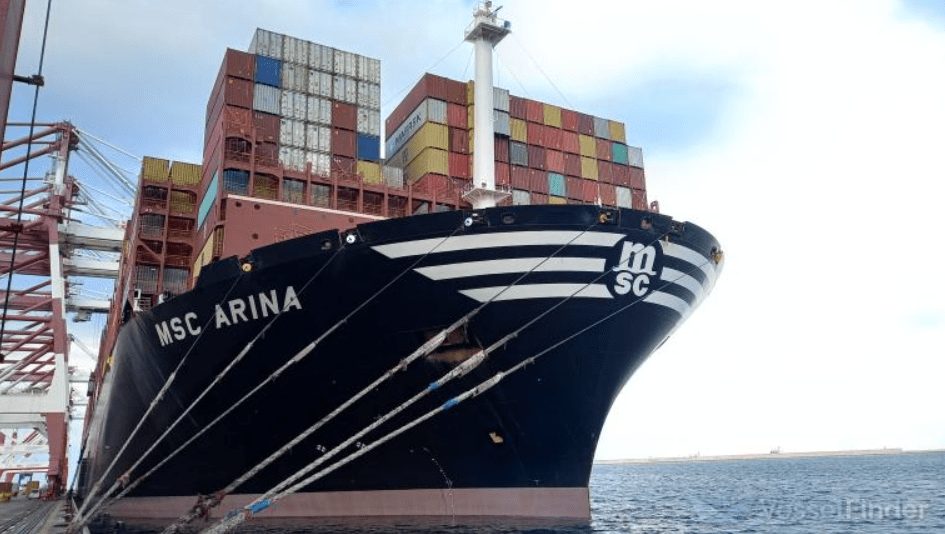
The new Florida Gulf Feeder service will start from the SSA Jacksonville Container Terminal (JCT) at JAXPORT’s Blount Island Marine Terminal with the arrival of the 1,400 TEU container ship MSC Reet II on April 12.
The port rotation of the new service will be Freeport, Bahamas - Rio Haina, Dominican Republic - Caucedo, Dominican Republic - Fort Lauderdale, US - Jacksonville, US
“This service expands our global reach by growing transshipment opportunities between Jacksonville and every major port in the world,” said JAXPORT CEO, Eric Green. “We are grateful for the strong partnership with MSC and thank them for growing their business and the jobs and economic impact it supports in Jacksonville.”
The Florida Gulf Feeder complements MSC’s existing service from Jacksonville to Freeport through its Canada Gulf Bridge and Bahamas Express services, while MSC also connects Jacksonville to four ports in Asia through the 2M Alliance.
Source: Container News
Related News

10/06
2026
The update of the Wan Hai Bunker Surcharge (WBS) for Q3/2026 by Wan Hai Lines (WHL) aims to proactively manage operational costs amidst the continuous fluctuations in global oil prices, while complying with stringent clean fuel standards in international maritime transport. This periodic adjustment helps ensure the maintenance of service quality and the stability of shipping routes departing from key southern port clusters (Ho Chi Minh City, Dong Nai, Ba Ria - Vung Tau) to global markets.

05/05
2026
The revised surcharge will take effect from June 1, 2026 (based on gate-in date) and will remain applicable until further notice.

25/03
2026
The global aviation industry is facing a new wave of disruption as ongoing tensions in the Middle East continue to put pressure on jet fuel costs, flight operations, and the overall stability of international air networks. The impact is no longer limited to routes passing directly through conflict-affected areas. Instead, it is now spreading across multiple markets, driving higher airfares while also increasing the risk of flight delays and cancellations on a broader scale.