


RISING TENSIONS AT Hormuz THREATEN GLOBAL SUPPLY CHAINS
Tensions at the Hormuz have moved beyond geopolitical risk and are now directly impacting international maritime operations. As one of the world’s most critical shipping chokepoints—handling nearly 20% of global oil flows and a significant share of container traffic to and from the Middle East—any disruption in this area can quickly trigger ripple effects across global supply chains.
Latest Developments From Shipping Lines
Major container carriers have swiftly implemented emergency measures to mitigate security risks. MSC has announced a temporary suspension of new bookings from global origins to the Middle East, particularly for destinations such as the UAE, Qatar, Bahrain, and Kuwait, to prevent vessels from becoming stranded in high-risk zones.
Meanwhile, CMA CGM has instructed several vessels to seek temporary shelter and suspended transits via the Suez Canal, rerouting ships around the Cape of Good Hope instead. This diversion may extend transit times by 10–14 days while significantly increasing fuel costs. The carrier has also introduced emergency conflict surcharges of up to USD 3,000 per 40’ container and USD 4,000 for reefer units.
Similarly, Maersk has shifted its MECL and ME11 services to routes around Africa, resulting in higher operating costs and raising concerns over potential empty container shortages in the region.
Concerning On-Ground Situation
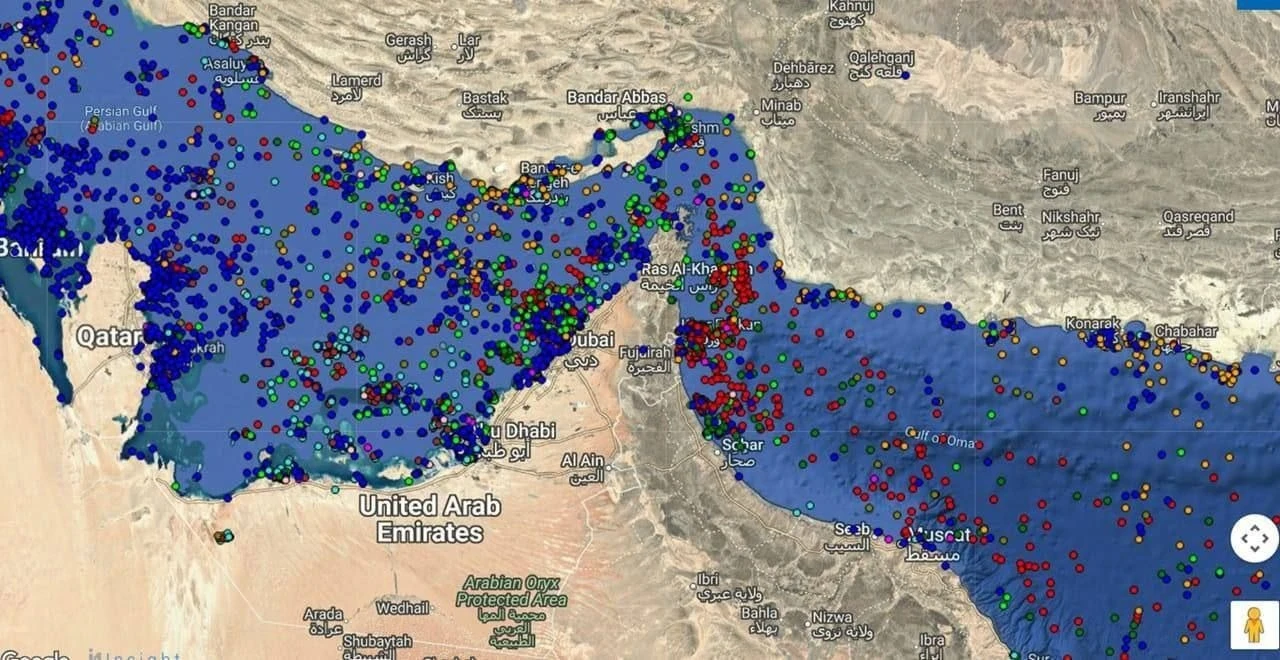
Several serious security incidents have been reported. A major fire broke out at Jebel Ali Port—the largest transshipment hub in the Middle East—reportedly caused by debris from a UAV strike hitting a container yard. In addition, an oil tanker named Skylight was attacked while navigating near Hormuz, prompting shipping lines to elevate their security alert levels.
Although no official closure has been declared, Hormuz is effectively operating under severe disruption, with many container vessels either anchoring offshore or altering routes pending security assessments.
Risk of Regional Congestion Chain Reaction
As direct access to Gulf ports becomes restricted, cargo is increasingly being diverted to alternative hubs such as Salalah, Khor Fakkan, Sohar, and Colombo.
This shift is expected to create a domino effect across the logistics chain, including congestion at transshipment ports, reduced mother-vessel slots, slower container turnaround, and mounting pressure on major hubs such as Singapore and Malaysia in the near term.
Expected Impact on the Logistics Market
In the short term, the market is likely to face significant volatility. Spot freight rates to the Middle East are rising rapidly week by week, while conflict-related surcharges are expanding to additional trade lanes. Transit times may lengthen by two to three weeks due to rerouting and multiple transshipment stops. Marine insurance costs are also climbing sharply as security risks escalate.
Regional Conflict Update
The instability is largely driven by escalating military tensions between Iran and a coalition led by the United States in the Gulf region. UAV and missile attacks targeting commercial vessels and port infrastructure have forced many shipping lines to limit operations through the area.
Recommendations for Importers and Exporters
Under current conditions, vessel schedules may be delayed, rerouted, or canceled at short notice. Some Middle East services may temporarily suspend cargo acceptance, while transit times are expected to remain extended. Businesses should also anticipate potential war risk surcharges and additional operational costs.
Importers and exporters are strongly advised to plan shipments well in advance, closely monitor carrier updates, and allow flexible delivery timelines to minimize risks during this period of ongoing disruption.
Related News

10/06
2026
The update of the Wan Hai Bunker Surcharge (WBS) for Q3/2026 by Wan Hai Lines (WHL) aims to proactively manage operational costs amidst the continuous fluctuations in global oil prices, while complying with stringent clean fuel standards in international maritime transport. This periodic adjustment helps ensure the maintenance of service quality and the stability of shipping routes departing from key southern port clusters (Ho Chi Minh City, Dong Nai, Ba Ria - Vung Tau) to global markets.

05/05
2026
The revised surcharge will take effect from June 1, 2026 (based on gate-in date) and will remain applicable until further notice.

25/03
2026
The global aviation industry is facing a new wave of disruption as ongoing tensions in the Middle East continue to put pressure on jet fuel costs, flight operations, and the overall stability of international air networks. The impact is no longer limited to routes passing directly through conflict-affected areas. Instead, it is now spreading across multiple markets, driving higher airfares while also increasing the risk of flight delays and cancellations on a broader scale.