



Port of Oakland volumes dip in July
The port of Oakland has recorded a year-to-date volume increase in July but a decline in comparison to the same period of last year.
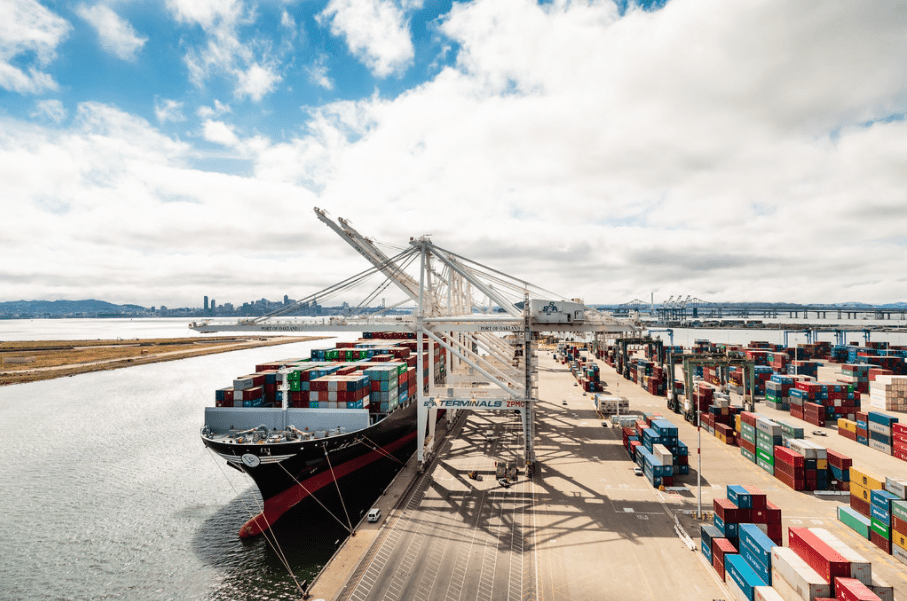
In particular, the US port has seen a growth of 9% in total volumes and 16% in imports since the start of 2021.
However, a slight downtrend in container traffic has been noticed, as the total volumes which include imports, exports and empty container repositioning, decreased by 3.5% compared to the previous year's July.
In the meantime, containerised imports saw a year-on-year decline of 1.7%, while exports decreased by 4.7%.
The port attributed the declines to the high cargo volume during the first half of the year, as surging shipments stacked up on docks causing delivery delays.
Due to that fact, shipping lines omitted several sailings to the harbour, according to Port of Oakland Maritime Director, Bryan Brandes who stated that "Vessel berths and container yards were crowded with some shipping lines bypassing Oakland."
Despite the current downtrend, the port estimates that cargo volume should increase again from August through October, as those months constitute the peak shipping season for retailers building holiday inventories.
Source: Container News
Related News

10/06
2026
The update of the Wan Hai Bunker Surcharge (WBS) for Q3/2026 by Wan Hai Lines (WHL) aims to proactively manage operational costs amidst the continuous fluctuations in global oil prices, while complying with stringent clean fuel standards in international maritime transport. This periodic adjustment helps ensure the maintenance of service quality and the stability of shipping routes departing from key southern port clusters (Ho Chi Minh City, Dong Nai, Ba Ria - Vung Tau) to global markets.

05/05
2026
The revised surcharge will take effect from June 1, 2026 (based on gate-in date) and will remain applicable until further notice.

25/03
2026
The global aviation industry is facing a new wave of disruption as ongoing tensions in the Middle East continue to put pressure on jet fuel costs, flight operations, and the overall stability of international air networks. The impact is no longer limited to routes passing directly through conflict-affected areas. Instead, it is now spreading across multiple markets, driving higher airfares while also increasing the risk of flight delays and cancellations on a broader scale.