



Sending all containers to Chittagong depots stops
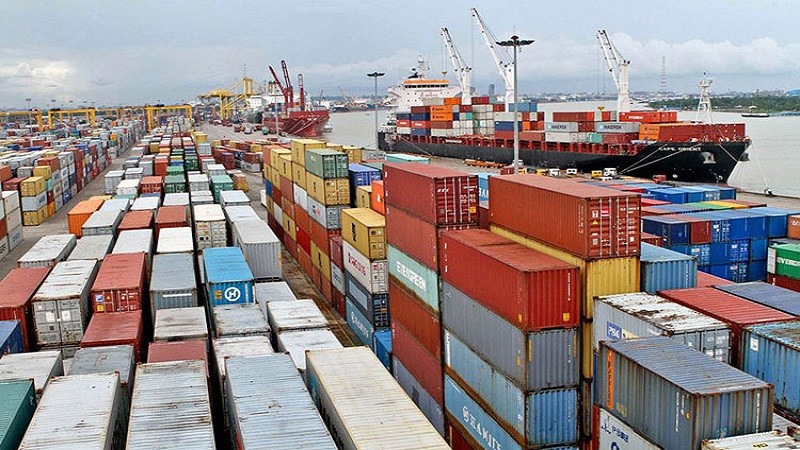
The tenure for sending all types of containers to the Chittagong off docks from the port yards, which was temporarily introduced back on 25 July after boxes stockpiled at the yards following Covid-19 linked factory shutdown and Eid holidays, has ended today, 31 August.
Therefore, from 1 September, the port authority will send only 38 types of goods laden containers to the 17 privately owned inland container depots, like in the past.
Traders said sending of all types of goods laden boxes to the off docks has helped lower the container congestions at the port yards and conducting smooth operations there and also lowered the vessel queue at the outer anchorage of Chittagong port.
Officials said apparel is the main export item of Bangladesh and the garment makers had been strongly opposing the shifting of all goods laden boxes to the private container depots citing severe cost hike and additional time consumption.
Therefore, although the decision taken on 25 July has largely helped to contain congestions both in the port yards and outer anchorage, the National Board of Revenue did not announce an extension of the tenure.
On 31 August, 37,384 containers were lying at the port yards compared to the total storage capacity of 49,018TEU.
Source: Container News
Related News

10/06
2026
The update of the Wan Hai Bunker Surcharge (WBS) for Q3/2026 by Wan Hai Lines (WHL) aims to proactively manage operational costs amidst the continuous fluctuations in global oil prices, while complying with stringent clean fuel standards in international maritime transport. This periodic adjustment helps ensure the maintenance of service quality and the stability of shipping routes departing from key southern port clusters (Ho Chi Minh City, Dong Nai, Ba Ria - Vung Tau) to global markets.

05/05
2026
The revised surcharge will take effect from June 1, 2026 (based on gate-in date) and will remain applicable until further notice.

25/03
2026
The global aviation industry is facing a new wave of disruption as ongoing tensions in the Middle East continue to put pressure on jet fuel costs, flight operations, and the overall stability of international air networks. The impact is no longer limited to routes passing directly through conflict-affected areas. Instead, it is now spreading across multiple markets, driving higher airfares while also increasing the risk of flight delays and cancellations on a broader scale.