



Shanghai lockdown hits Oakland container volumes
China’s zero-tolerance in the Covid-19 pandemic and the lockdown in Shanghai have affected the Port of Oakland in the United States, which has seen a 7% reduction in its box volumes in April, compared to the same month last year.
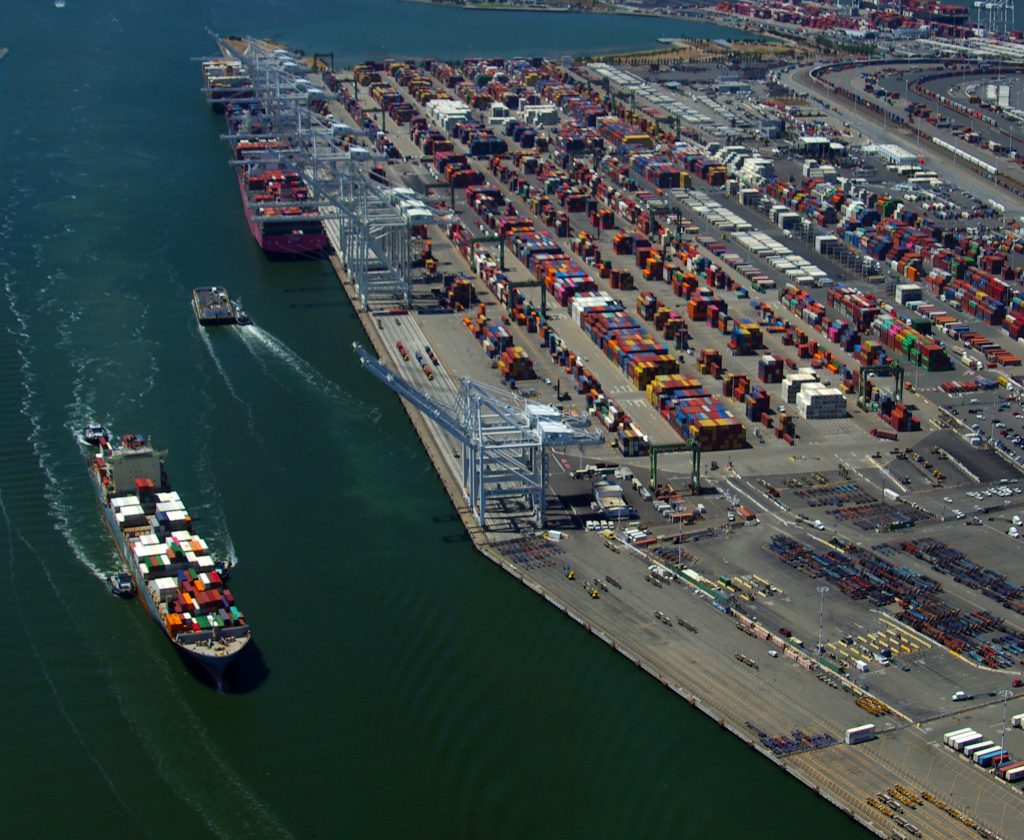
In particular, the port's containerised import loads fell 17% last month, while exports sagged 18%. The decline is largely due to the closure of factories and ports in China, Oakland’s largest trade partner.
According to the Port of Oakland, the disturbance in the port of Shanghai is delaying the import shipments to the US and that wreaks havoc on ocean carrier scheduling. “US exports have been hampered by vessel schedules thrown into disarray in China,” said Port of Oakland maritime director, Bryan Brandes, who admitted that “most of Oakland’s business depends on the Asia-US trade route”.
Apart from China, the cargo flow in Oakland has been affected by additional factors, such as the reduction of the number of ships stopping in the Californian port. At the same time, importers are slow to retrieve shipments, and as a result, there are crowding container yards and slowing cargo discharge from ships. Additionally, there is container shortage and it is making the loading of export shipments a hard challenge.
However, the port seems to remain positive, as it believes that perhaps the relief of the supply chain is on the way. "Proof of this could be the fact that cargo activity in Shanghai has recently increased," noted a port official.
Furthermore, the port is in talks with shipping lines about increasing the number of Oakland vessel calls.
Source: Container News
Related News

10/06
2026
The update of the Wan Hai Bunker Surcharge (WBS) for Q3/2026 by Wan Hai Lines (WHL) aims to proactively manage operational costs amidst the continuous fluctuations in global oil prices, while complying with stringent clean fuel standards in international maritime transport. This periodic adjustment helps ensure the maintenance of service quality and the stability of shipping routes departing from key southern port clusters (Ho Chi Minh City, Dong Nai, Ba Ria - Vung Tau) to global markets.

05/05
2026
The revised surcharge will take effect from June 1, 2026 (based on gate-in date) and will remain applicable until further notice.

25/03
2026
The global aviation industry is facing a new wave of disruption as ongoing tensions in the Middle East continue to put pressure on jet fuel costs, flight operations, and the overall stability of international air networks. The impact is no longer limited to routes passing directly through conflict-affected areas. Instead, it is now spreading across multiple markets, driving higher airfares while also increasing the risk of flight delays and cancellations on a broader scale.