



Wan Hai says lack of vessels is hindering re-entry to Europe trades
The dearth of ships available for charter or sale has caused Wan Hai Lines to put plans to re-enter the Asia-Europe tradelane on hold.
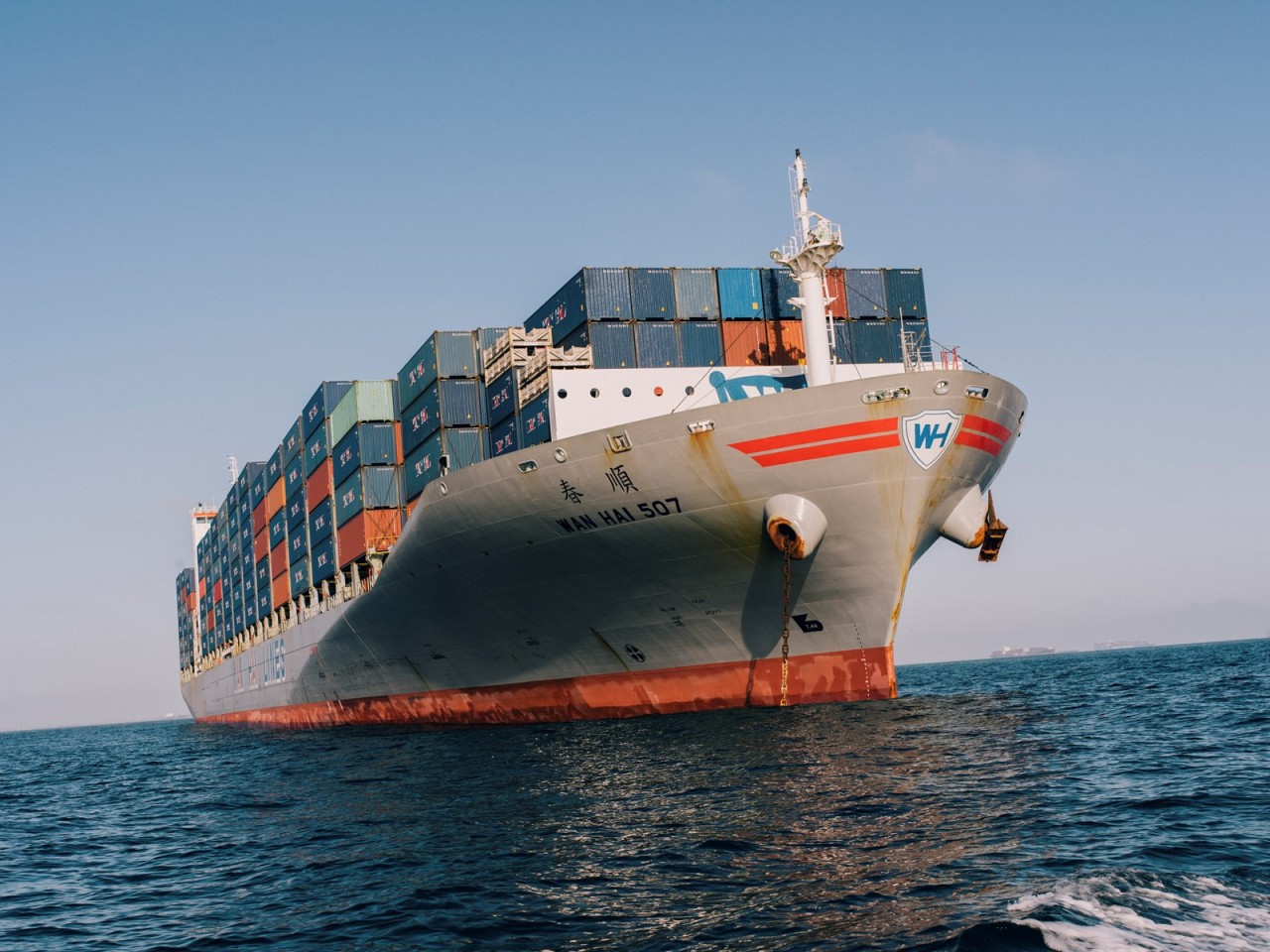
The Taiwanese liner operator was addressing speculation that it had ambitions to restart its Asia-Europe service, axed in in 2010 due to a lack of scale.
Speculation grew after Wan Hai launched a standalone Asia-US west coast service last year and an Asia-US east coast in June.
Wan Hai said, “Re-entering the European lane is not considered for the time being, due to the lack of suitable ships.”
Management said globally, the idle container ship fleet was at a historical low of 0.7%, meaning almost all available vessels are in use.
“Liner operators are not deliberately withholding any vessels. Freight costs will remain high and next year, we expect higher revenue and profits,” said Wan Hai.
Primarily an intra-Asia carrier, it pointed out that congestion in major Asian ports, including Singapore, Hong Kong and Busan, remained severe. This would exacerbate equipment and capacity shortages in the traditional Q3 peak season, lending support to freight revenues, it added.
Wan Hai said transpacific services accounted for nearly 40% of its H1 21 revenue, and healthy demand persuaded the company to offer regular sailings. Its H1 21 net profit swelled 19-fold year on year, to $1.21bn, thanks to rocketing freight rates, with revenues up 28%, to $3.1bn.
The company has more than 40 ships on order and expects delivery of some to start this year.
Wan Hai added that it had entered into a leasing contract with Seaco Global, a subsidiary of China’s HNA Group, for 5,570 containers. The total lease amount is $46.59m. It had said in May it planned to procure more containers, after having ordered 50,000 20ft boxes from China International Marine Containers in January.
Source: The Loadstar
Related News

10/06
2026
The update of the Wan Hai Bunker Surcharge (WBS) for Q3/2026 by Wan Hai Lines (WHL) aims to proactively manage operational costs amidst the continuous fluctuations in global oil prices, while complying with stringent clean fuel standards in international maritime transport. This periodic adjustment helps ensure the maintenance of service quality and the stability of shipping routes departing from key southern port clusters (Ho Chi Minh City, Dong Nai, Ba Ria - Vung Tau) to global markets.

05/05
2026
The revised surcharge will take effect from June 1, 2026 (based on gate-in date) and will remain applicable until further notice.

25/03
2026
The global aviation industry is facing a new wave of disruption as ongoing tensions in the Middle East continue to put pressure on jet fuel costs, flight operations, and the overall stability of international air networks. The impact is no longer limited to routes passing directly through conflict-affected areas. Instead, it is now spreading across multiple markets, driving higher airfares while also increasing the risk of flight delays and cancellations on a broader scale.