



Yantian terminal restricts intake of export-bound containers
Yantian International Container Terminal (YICT) in China’s Shenzhen Port is taking in export-bound containers with an estimated berthing time of four days, as containers are accumulating in its yard as a result of disrupted shipping schedules.
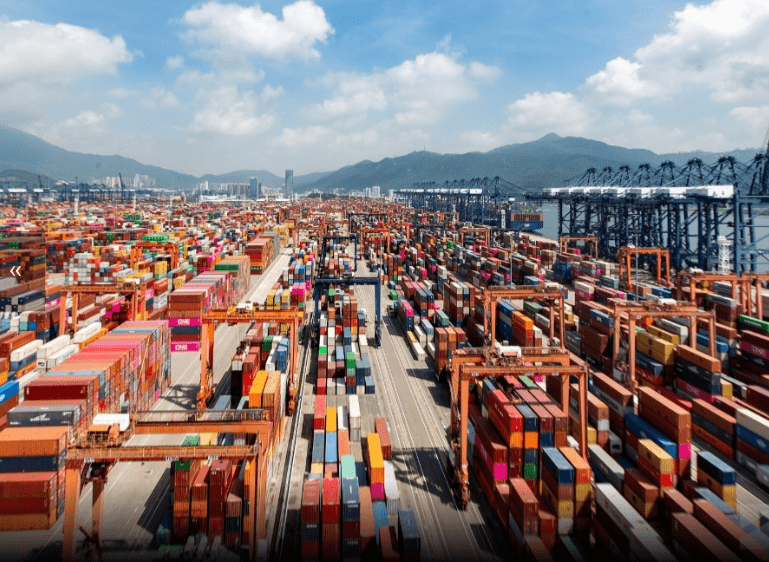
YICT, part of Hutchison Ports, said in a notice on 19 January that the situation has become more pressing, as Chinese exporters are rushing to get their goods out before Chinese New Year on 1 February.
Such a move is not unprecedented. At the start of 2021, South Korea’s Busan port slashed the 10-day cut-off time for export-bound containers to enter the yard to three days.
Sea-Intelligence CEO, Alan Murphy, said in a recent note that congestion and bottleneck problems are worsening getting into 2022, and there is no indication of improvements as of yet. Covid-19-related testing and an increasing demand for container shipments saw liner operators’ schedule reliability fall to below 40% in 2021.
YICT said that the situation is such that ships are arriving seven days late, holding up container turnover in its yard.
"Under such circumstance, there are many laden boxes stuck inside the terminal and the yard density close to full scenario," said YICT.
However, the gate-in quota will be kept at 12,000 laden containers.
Yantian processed 14.16 million TEU of containers in 2020, up 6% from 2020, notwithstanding disruptions caused by Cοvid-19. The Shenzhen Maritime Department said that to prevent Covid-19 transmissions, it has been encouraging contactless procedures as much as possible.
Source: Container News
Related News

10/06
2026
The update of the Wan Hai Bunker Surcharge (WBS) for Q3/2026 by Wan Hai Lines (WHL) aims to proactively manage operational costs amidst the continuous fluctuations in global oil prices, while complying with stringent clean fuel standards in international maritime transport. This periodic adjustment helps ensure the maintenance of service quality and the stability of shipping routes departing from key southern port clusters (Ho Chi Minh City, Dong Nai, Ba Ria - Vung Tau) to global markets.

05/05
2026
The revised surcharge will take effect from June 1, 2026 (based on gate-in date) and will remain applicable until further notice.

25/03
2026
The global aviation industry is facing a new wave of disruption as ongoing tensions in the Middle East continue to put pressure on jet fuel costs, flight operations, and the overall stability of international air networks. The impact is no longer limited to routes passing directly through conflict-affected areas. Instead, it is now spreading across multiple markets, driving higher airfares while also increasing the risk of flight delays and cancellations on a broader scale.