



59% of all containers leave US ports empty
The Covid-19 has truly put the global supply chain in turbulence. After several months, when the global economy has reopened, the blue transport corridor is witnessing plenty of problems- bottlenecks, port congestion, hiked container prices, and shortage of container vessels, to name a few.
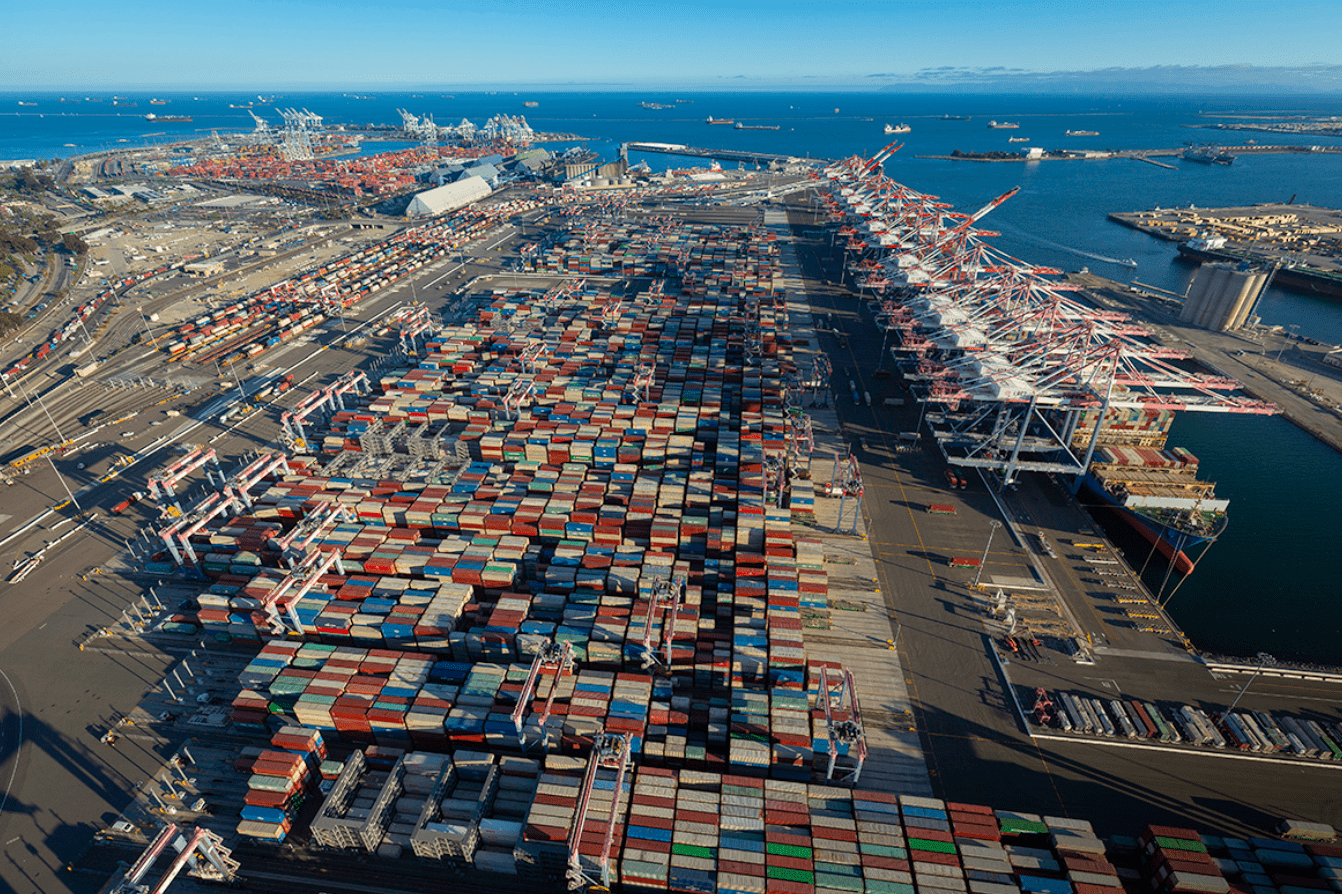
However, to the extreme surprise, empty containers have been troubling American exports lately. The congestion and the long queue of vessels at the major ports of America might be giving you a different picture. To clarify, the ships coming into ports are welcomed with imported goods. On the contrary, the exports of US goods including agricultural products are not able to break through international markets and demands. This has created an imbalance in container usage, exemplified rightly by MarketWatch Data. As per the data, 12.1 million boxes have left those ports empty through October 2021, jumping 46.2% from 2020 and 37.8% as compared to 2019.
A whopping 59% of containers left the US ports unattended with goods in the first 10 months of the year. Moreover, the compulsive demand for imported goods into the US has pushed up rates for freight being shipped across the Pacific from Asia to the US, making the route much more lucrative as compared to the US-Asia route. The better money-making opportunity pushes the ships and the shipowners to rush back to Asia with empty containers and return with the loaded vessels on the ‘diamond route’ surfing ‘Richie-rich’ waves of the Asia-US route.
Adding to it, export cancellations in the nick of time results in ship skipping ports which ultimately accelerated freight rates. Unmindful of the circumstances, meat export has been a prominent player in US exports but the congestion across the US major ports has drastically impacted it too. The US Meat Export Federation has only been able to find cost-prohibitive alternatives to the problem. A feasible solution to flawless meat export is still awaited.
Owing to these reasons, the US trade deficit saw an ever-high figure in 2021- US$705.2 billion in the first 10 months of the year, rising a 29.7% high as compared to the last year. Exporting hang-ups and business sanctions season the problem and magnify the US import-export margin.
Source: Container News
Related News

10/06
2026
The update of the Wan Hai Bunker Surcharge (WBS) for Q3/2026 by Wan Hai Lines (WHL) aims to proactively manage operational costs amidst the continuous fluctuations in global oil prices, while complying with stringent clean fuel standards in international maritime transport. This periodic adjustment helps ensure the maintenance of service quality and the stability of shipping routes departing from key southern port clusters (Ho Chi Minh City, Dong Nai, Ba Ria - Vung Tau) to global markets.

05/05
2026
The revised surcharge will take effect from June 1, 2026 (based on gate-in date) and will remain applicable until further notice.

25/03
2026
The global aviation industry is facing a new wave of disruption as ongoing tensions in the Middle East continue to put pressure on jet fuel costs, flight operations, and the overall stability of international air networks. The impact is no longer limited to routes passing directly through conflict-affected areas. Instead, it is now spreading across multiple markets, driving higher airfares while also increasing the risk of flight delays and cancellations on a broader scale.