



Air charter market struggles with lack of large-capacity aircraft
As AirBridgeCargo (ABC) looks to find ways to keep its metal in the air, the charter market is looking thin.
The project market in particular is struggling; Ukraine carrier Antonov, which operates five AN-124s, has dedicated them all to humanitarian efforts.
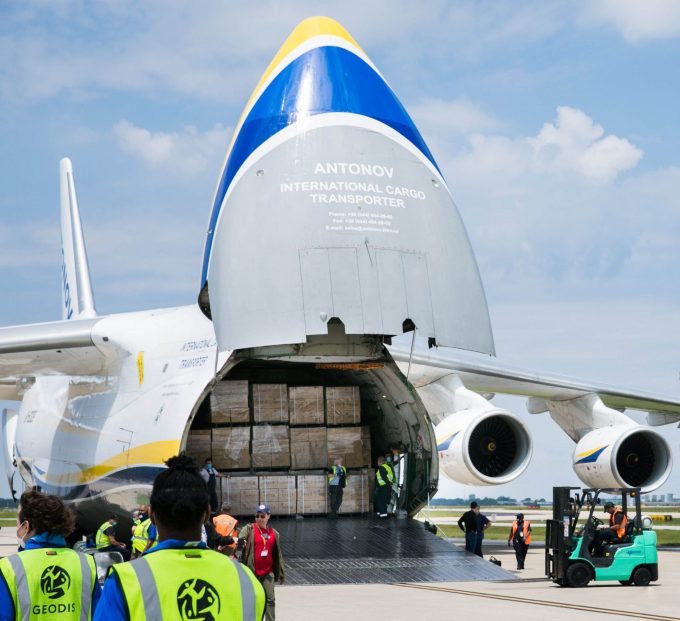
Sadly, and famously, its AN-225, the largest aircraft in the commercial market, with a payload of 250 tonnes, was destroyed last week. And, with Volga-Dnepr’s fleet of AN-124s and Il-76s banned from the US and Europe, outsize shipments are currently unable to fly in many regions.
Some forwarders have reported trucking outsize shipments from the US to Mexico to secure onward air freight, as there is little large aircraft capacity available.
“If you have a helicopter you want transported, forget it,” said Russi Batliwala, chair of broker Chapman Freeborn.
And Metro Shipping told customers: “The destruction and grounding of much of the Antonov fleet will make oversized project cargo shipping much more challenging and, in the short-term, may add costs and delays for many industries, most notably the energy sector.”
The charter market is not much better in the 747 field. One US forwarder told The Loadstar some US freighter operators were focusing on humanitarian and war-related operations, putting further pressure on the market. And, with the absence of ABC’s capacity in major markets, charters are harder than ever.
“Russian aircraft are the charter market,” said Mr Batliwala. “This will have a severe impact on the charter market.”
Rates for 747 charters are going through the roof as a result, said one forwarder. The market was already tight – Atlas Air has signed contracts for freighters that have not yet delivered – and amid continued volumes for PPE and Covid-related equipment, demand has not abated.
“I expect prices will go up,” said Mr Batliwala.
Meanwhile a source at ABC said it was working hard on solutions to be able to offer at least some capacity to the market, explaining: “We are doing what we can, with what we’ve got.”
Related News

10/06
2026
The update of the Wan Hai Bunker Surcharge (WBS) for Q3/2026 by Wan Hai Lines (WHL) aims to proactively manage operational costs amidst the continuous fluctuations in global oil prices, while complying with stringent clean fuel standards in international maritime transport. This periodic adjustment helps ensure the maintenance of service quality and the stability of shipping routes departing from key southern port clusters (Ho Chi Minh City, Dong Nai, Ba Ria - Vung Tau) to global markets.

05/05
2026
The revised surcharge will take effect from June 1, 2026 (based on gate-in date) and will remain applicable until further notice.

25/03
2026
The global aviation industry is facing a new wave of disruption as ongoing tensions in the Middle East continue to put pressure on jet fuel costs, flight operations, and the overall stability of international air networks. The impact is no longer limited to routes passing directly through conflict-affected areas. Instead, it is now spreading across multiple markets, driving higher airfares while also increasing the risk of flight delays and cancellations on a broader scale.