



Blank sailings boost Ningbo Containerized Freight Index
The composite Ningbo Containerized Freight Index (NCFI) quoted 622.2 points in Week 41, which improved 4.8% from the previous week and has remained on an upward trend for two back-to-back weeks.
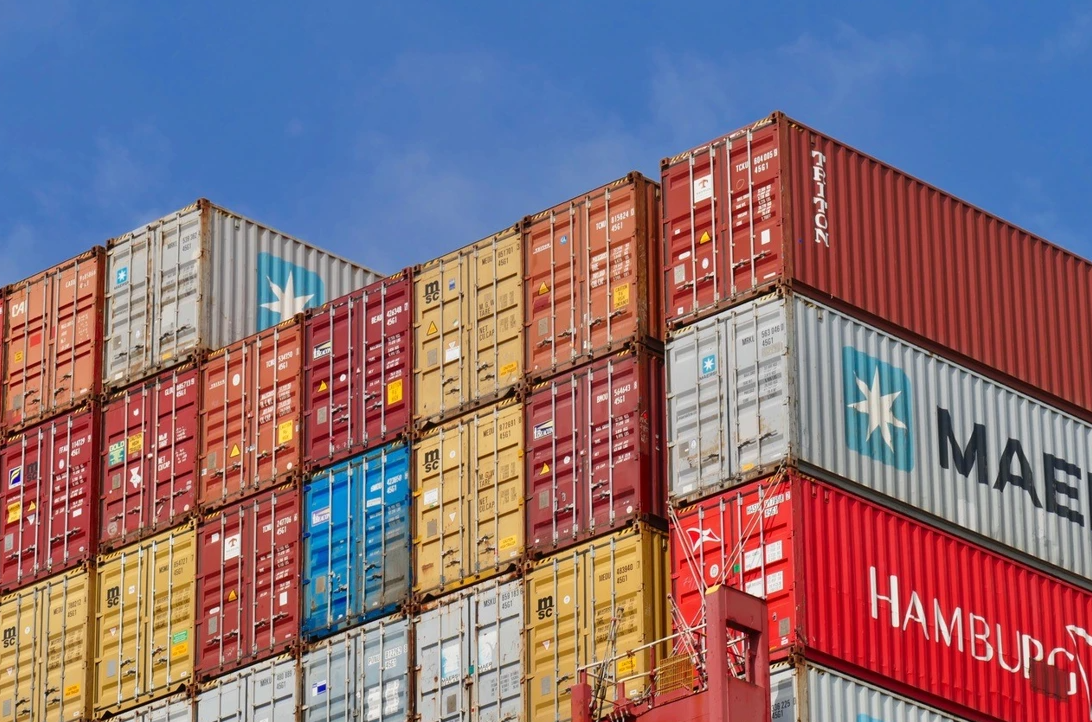
More specifically, spot rates for container exports from Ningbo-Zhoushan surged as shipping lines made blank sailings to reduce capacity during the National Day Golden Week.
On the 21 trade routes to which the individual NCFIs are applied, the indices increased on 15 and decreased on the remaining six. The indices for the primary ports along the so-called Maritime Silk Road, 11 enjoyed increases, but five suffered decreases.
Moreover, on the route from Ningbo-Zhoushan to Europe, blank sailings and other factors caused a capacity shortage, making spot rates stop declining and return to a recovery track.
Also, on the route to the Mediterranean, meanwhile, there was so sufficient shipping space that spot rates moderately decreased. The NCFIs stood at 355.1 points to Europe, up 0.1%; 548.9 points to the eastern Mediterranean, down 1.7%; and 626.5 points to the western Mediterranean, down 3.7%.
On the shipping lane to North America, container movement did not increase significantly at a time when there was sufficient shipping capacity.
Operators mildly decreased freight rates, which led to slight falls in spot rates. The NCFIs closed at 730.2 points to the East Coast, down 6.2%, and 981.6 points to the West Coast, down 4.3%.
On the trade to the Middle East, shipping companies substantially reduced tonnage supply. Spot rates soared due to the shipments from the previous week, causing spot rates to surge. The NCFI, as such, jumped 32.8% to 665.6 points.
On the route to the west coast of South America, carriers imposed large-scale blank sailings, leading to space shortages and steep stop rate increases. The NCFI came to 752.6 points, up 24.9%.
Source: Container News
Related News

10/06
2026
The update of the Wan Hai Bunker Surcharge (WBS) for Q3/2026 by Wan Hai Lines (WHL) aims to proactively manage operational costs amidst the continuous fluctuations in global oil prices, while complying with stringent clean fuel standards in international maritime transport. This periodic adjustment helps ensure the maintenance of service quality and the stability of shipping routes departing from key southern port clusters (Ho Chi Minh City, Dong Nai, Ba Ria - Vung Tau) to global markets.

05/05
2026
The revised surcharge will take effect from June 1, 2026 (based on gate-in date) and will remain applicable until further notice.

25/03
2026
The global aviation industry is facing a new wave of disruption as ongoing tensions in the Middle East continue to put pressure on jet fuel costs, flight operations, and the overall stability of international air networks. The impact is no longer limited to routes passing directly through conflict-affected areas. Instead, it is now spreading across multiple markets, driving higher airfares while also increasing the risk of flight delays and cancellations on a broader scale.