


Carriers on India-US trade attempt higher rate hikes for December
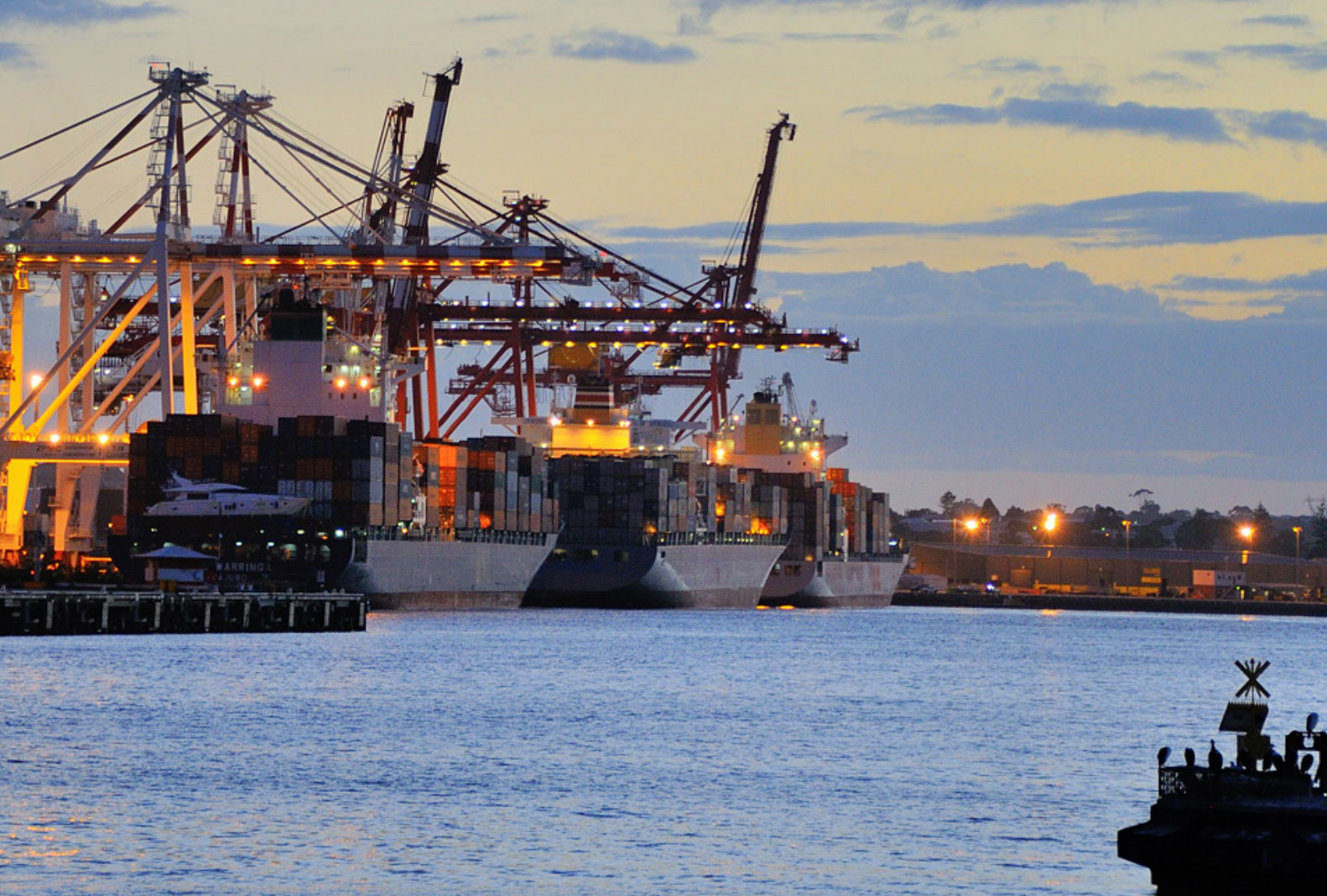
Container carriers serving India-US trades seem to have regained some strength to attempt higher rate increases amid promising export trade indications.
CMA CGM has doubled the amount of a previously announced peak season surcharge (PSS) for December on shipments from India to the US East and Gulf coasts.
The French liner, in a new customer advisory, said a PSS of US$200 per container that was to take effect from 1 December will be revised upwards to US$400 per container, from 15 December.
“The PSS applies to tariff or service contract rates for all cargo moving under the scope of the tariff,” CMA CGM (India) said.
Other carriers like Hapag-Lloyd and Mediterranean Shipping Co. (MSC) could follow suit, according to market sources. Hapag-Lloyd on 14 November announced plans to implement a general rate increase of US$200 per container on this trade lane, starting 15 December.
The German carrier said cargo loads from Mundra, Nhava Sheva, Pipavav and Hazira to USEC will attract this GRI.
CMA CGM and Hapag-Lloyd together operate the Indamex network between West India and USEC through consortium arrangements.
Thanks to a few void calls announced by India-USEC services this month, loading capacity out of Nhava Sheva and Mundra has tightened on recent vessels, enabling major carriers to at least raise spot rate levels.
Indian ports reported a 5% increase in container volumes during October, month-on-month, according to new data. Combined throughput hit 1.9 million TEUs, from 1.8 million TEUs during September, according to data obtained by Container News.
India’s merchandise exports, by value, in October saw a 6.2% increase, reaching US$ 33.6 billion, according to new government data.
“This suggests that the export sector is on the road to recovery due to the resilience shown by it,” said A. Sakthivel, president of the Federation of Indian Export Organisations (FIEO) in a statement.
FIEO also noted, “Demand is still an issue in many markets due to high inventory and growth reflects that we may be eating into the share of some other countries.”
Sakthivel went on to add, “The tension in West Asia had also made businesses and markets sceptical and nervous, but the conflict will have a limited impact unless it escalates, and more countries join in.”
He also explained, “While goods exports growth has remained somewhat sombre, services have continued on with its momentum and maintained a rising trend, helping to narrow the overall trade deficit and keeping the current account deficit under check.”
Source: Container News
Related News

10/06
2026
The update of the Wan Hai Bunker Surcharge (WBS) for Q3/2026 by Wan Hai Lines (WHL) aims to proactively manage operational costs amidst the continuous fluctuations in global oil prices, while complying with stringent clean fuel standards in international maritime transport. This periodic adjustment helps ensure the maintenance of service quality and the stability of shipping routes departing from key southern port clusters (Ho Chi Minh City, Dong Nai, Ba Ria - Vung Tau) to global markets.

05/05
2026
The revised surcharge will take effect from June 1, 2026 (based on gate-in date) and will remain applicable until further notice.

25/03
2026
The global aviation industry is facing a new wave of disruption as ongoing tensions in the Middle East continue to put pressure on jet fuel costs, flight operations, and the overall stability of international air networks. The impact is no longer limited to routes passing directly through conflict-affected areas. Instead, it is now spreading across multiple markets, driving higher airfares while also increasing the risk of flight delays and cancellations on a broader scale.