



Chittagong makes e-payment mandatory for shippers from 2022
Bangladesh has made mandatory the e-payment of any kinds of duty-tax, fees, and charges, linked to export and import trade, through Chittagong customs house (CHC).
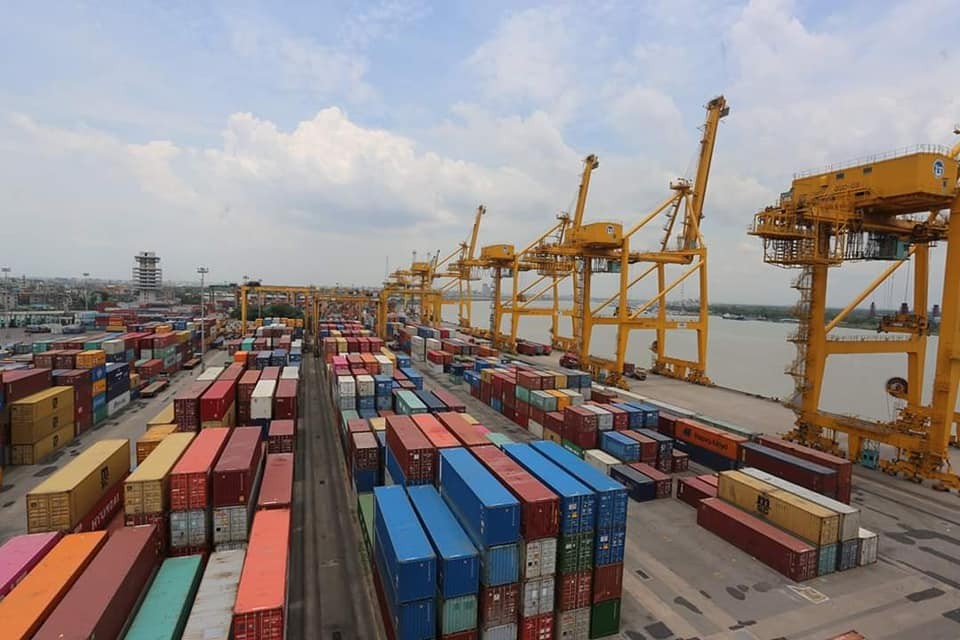
From 1 January 2022, no more manual payment will be accepted, the CHC said in a notification.
“The importers and exporters themselves will be responsible for the delay in goods delivery for failing to make e-payment,” the notification added.
Earlier, from 1 July, payment worth over US$2,500 online was made mandatory to provide faster services to Chittagong port users.
Mainly the clearing and forwarding (C&F) agents make these kinds of payments on behalf of the importers and exporters. The e-payment system also aims to help prevent duty-tax evasion by port users.
Officials said the government is trying to provide faster services to Bangladeshi port users by digitising payment and delivery methods. Thus all the services are being brought to a paperless system in phases.
The Chittagong Port Authority (CPA) recently advanced to make mandatory the submission of delivery orders electronically as part of the efforts for digitisation of all kinds of services.
From 1 December, six top shipping agents-- APL Bangladesh, Maersk Bangladesh, Continental Traders BD Ltd., Continental Traders, Ocean International Ltd., and Mediterranean Shipping Company Bangladesh Ltd (MSC) -- have been asked to submit delivery orders online.
The rest of the shipping agents will be asked to do the same by phases.
In the absence of an electronic delivery order system, the representatives of C&F agents collect the delivery orders in person from the offices of the shipping agents or freight forwarders to get delivery of the imported consignments.
Source: Container News
Related News

10/06
2026
The update of the Wan Hai Bunker Surcharge (WBS) for Q3/2026 by Wan Hai Lines (WHL) aims to proactively manage operational costs amidst the continuous fluctuations in global oil prices, while complying with stringent clean fuel standards in international maritime transport. This periodic adjustment helps ensure the maintenance of service quality and the stability of shipping routes departing from key southern port clusters (Ho Chi Minh City, Dong Nai, Ba Ria - Vung Tau) to global markets.

05/05
2026
The revised surcharge will take effect from June 1, 2026 (based on gate-in date) and will remain applicable until further notice.

25/03
2026
The global aviation industry is facing a new wave of disruption as ongoing tensions in the Middle East continue to put pressure on jet fuel costs, flight operations, and the overall stability of international air networks. The impact is no longer limited to routes passing directly through conflict-affected areas. Instead, it is now spreading across multiple markets, driving higher airfares while also increasing the risk of flight delays and cancellations on a broader scale.