



Chittagong port eyes larger vessels to minimise costs
The port of Chittagong in Bangladesh has unveiled plans to begin accommodating larger vessels, doubling its capacity to lower transportation costs and enhance productivity.
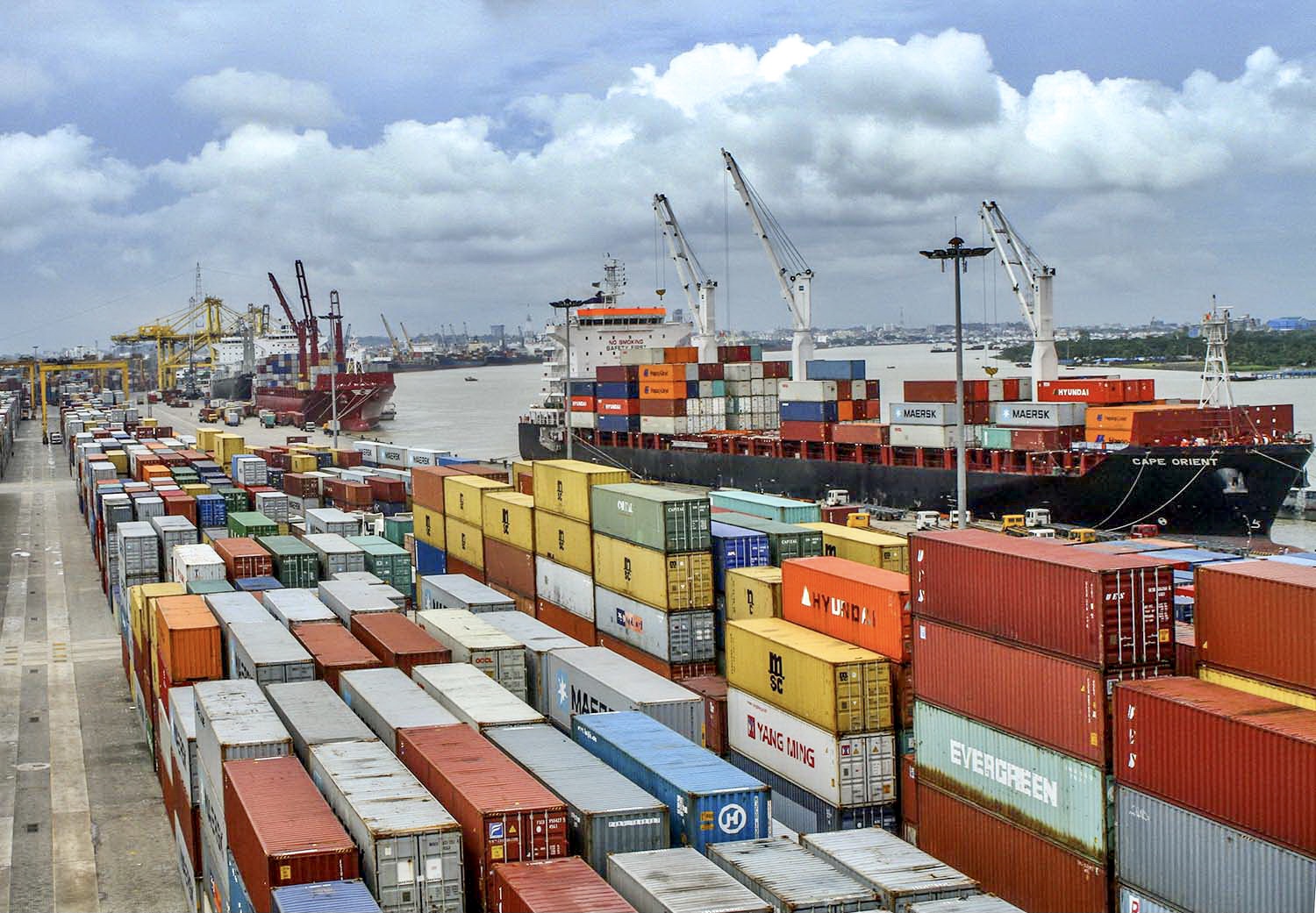
The move is taken after London-based consultancy firm HR Wallingford conducted the required survey and informed the port authority that 200-meter vessels with 10.5-meter water depth can be accommodated in some jetties.
HR Wallingford said that with the draft and length increases container vessels with approximately 3,000 TEU capacity will be able to take berth at the jetties. The company added that some jetties will be able to accommodate 9.5-meter draft vessels.
Since 2015, vessels of 190-meter long and 9.5-meter water depth with 1,600 TEU to 1,700 TEU capacity had been taking berth at the port jetties.
Amid repeated calls from the port users for accommodating larger vessels to cut their transportation costs, the Chittagong Port Authority appointed HR Wallingford in November 2020 to study the port’s navigation.
The consultants have conducted a detailed hydrological and hydraulic study of the Karnaphuli River, to provide a potential solution to improve access to the port, particularly around the ‘Gupta Bend’. The river bend is a well-known constriction in the river, which limits the size of the vessel that can enter the port.
“If the port allows 10-meter draft and 200-meter long vessels, increased volume of container/cargo can be carried from transshipment port to the Chittagong port lowering transportation costs,” noted Mohammed Abdullah Jahir, chief operating officer at Saif Maritime Ltd.
Source: Container News
Related News

10/06
2026
The update of the Wan Hai Bunker Surcharge (WBS) for Q3/2026 by Wan Hai Lines (WHL) aims to proactively manage operational costs amidst the continuous fluctuations in global oil prices, while complying with stringent clean fuel standards in international maritime transport. This periodic adjustment helps ensure the maintenance of service quality and the stability of shipping routes departing from key southern port clusters (Ho Chi Minh City, Dong Nai, Ba Ria - Vung Tau) to global markets.

05/05
2026
The revised surcharge will take effect from June 1, 2026 (based on gate-in date) and will remain applicable until further notice.

25/03
2026
The global aviation industry is facing a new wave of disruption as ongoing tensions in the Middle East continue to put pressure on jet fuel costs, flight operations, and the overall stability of international air networks. The impact is no longer limited to routes passing directly through conflict-affected areas. Instead, it is now spreading across multiple markets, driving higher airfares while also increasing the risk of flight delays and cancellations on a broader scale.