



Congestion takes hold again with supply chain delays spread across the US
Growing congestion fears in Asia are being matched by an apparent resurgence of delays at US west coast ports.
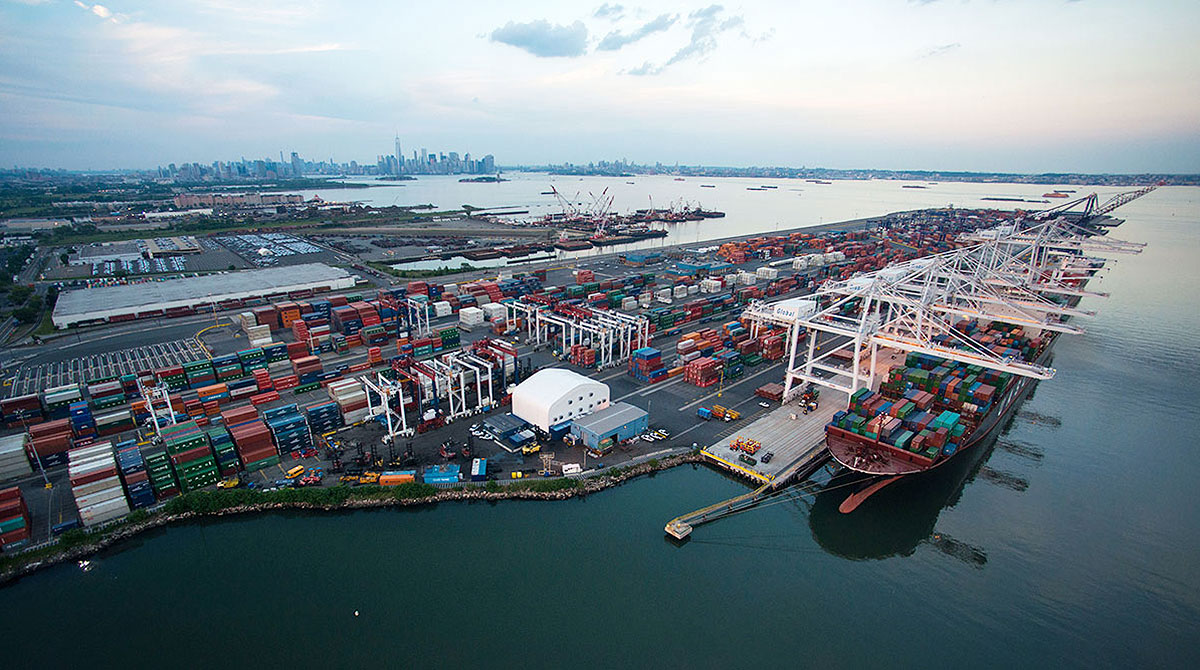
Today’s AIS data shows around 30 ships at anchor in San Pedro Bay, offshore from Los Angeles and Long Beach ports, with Maersk warning customers of severe delays.
Maersk told customers the situation in Southern California had “deteriorated”, with the number of vessels at anchorage doubling over the last few weeks.
Moreover, on the east coast and in the south-east, the carrier said there was a two-week trucking delay to add to container dwell times, with further difficulties in sourcing chassis.
And rail congestion is further exacerbating the delays in US import deliveries and the return of empties to Asia for exports.
According to the Danish carrier, average dwell times in the US have increased by 35%, meaning there is 35% less capacity overall.
“Over the past several weeks we have started to see a rapid increase in the average container dwell time,” said Maersk, adding: “As a related impact, long-dwelling containers is also adding to the growing chassis shortage across much of the Midwest and parts of the north-east.
“Adding to that now are rail car shortages and rail yard capacity limitations that have led to an overall reduction in the number services from the west coast.
“To conclude, in the Pacific south-west, chassis availability once again remains the top theme, with several terminals now turning away bobtails to maximise output. Rail dwells into the Midwest is a growing theme as rail car availability remains limited.”
Source: The Loadstar
Related News

10/06
2026
The update of the Wan Hai Bunker Surcharge (WBS) for Q3/2026 by Wan Hai Lines (WHL) aims to proactively manage operational costs amidst the continuous fluctuations in global oil prices, while complying with stringent clean fuel standards in international maritime transport. This periodic adjustment helps ensure the maintenance of service quality and the stability of shipping routes departing from key southern port clusters (Ho Chi Minh City, Dong Nai, Ba Ria - Vung Tau) to global markets.

05/05
2026
The revised surcharge will take effect from June 1, 2026 (based on gate-in date) and will remain applicable until further notice.

25/03
2026
The global aviation industry is facing a new wave of disruption as ongoing tensions in the Middle East continue to put pressure on jet fuel costs, flight operations, and the overall stability of international air networks. The impact is no longer limited to routes passing directly through conflict-affected areas. Instead, it is now spreading across multiple markets, driving higher airfares while also increasing the risk of flight delays and cancellations on a broader scale.