



Container congestion continues to devastate global supply chain
Global container congestion persists to wreak havoc on supply chain operations all around the globe.
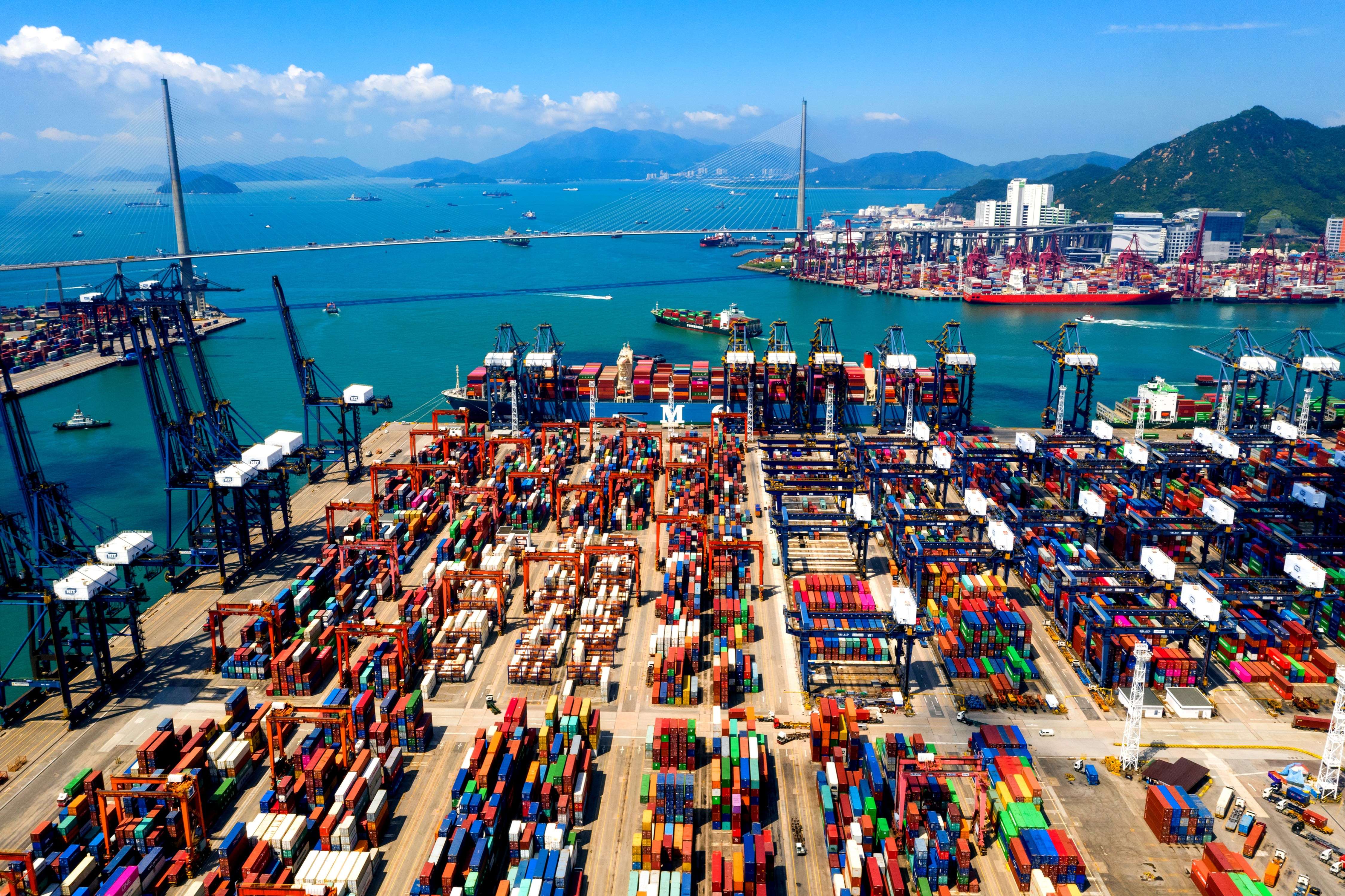
Global shipping has been facing erratic consumer demand, factory shutdown, and pandemic restrictions that have hampered port operations for months. As an outcome, empty containers are scarce where they are needed.
The Ever Given mishap has compounded the shortage as about half of products passing through the Suez Canal are container ships. Due to the high volume of traffic, unloading has been delayed. Numerous ports are already working at maximum capacity, but port storage fees have grown, somewhat mitigating certain ports' expenditures.
The ratio of ships in the port to those waiting gives a good idea of the ongoing congestion. Hong Kong, for example, has a 67 % waiting ratio. Although plagued by the Covid-19 outbreak that limited work throughout June, Yantian has made good progress in clearing its backlog, whereas Oakland, Savannah, Seattle, and Vancouver have all achieved productivity levels over 65 %.
It's not simply busy off the California coasts of Los Angeles and Long Beach. Ships awaiting offloading are anchored outside ports from Singapore to Savannah, Georgia, and major European commercial hubs such as Hamburg, Liverpool, and Rotterdam are all experiencing congestion and delays. Hundreds of ships are backed up around Yantian, and one estimate indicates that a huge number of 20-foot containers have been brought to a halt.
Thus, even as Yantian resumes normal functioning specialists like Alan Murphy, CEO of Copenhagen-based Sea-Intelligence, a maritime data and analysis company, have warned that shockwaves will likely be felt far and wide.
“With literally hundreds of thousands of containers stacking up in South China, while the other ports are already overburdened, and an acute scarcity of vessel space and empty containers, the South China port scenario is swiftly deteriorating into a big systemic disruption,” said Murphy.
Reference: Container News
Related News

10/06
2026
The update of the Wan Hai Bunker Surcharge (WBS) for Q3/2026 by Wan Hai Lines (WHL) aims to proactively manage operational costs amidst the continuous fluctuations in global oil prices, while complying with stringent clean fuel standards in international maritime transport. This periodic adjustment helps ensure the maintenance of service quality and the stability of shipping routes departing from key southern port clusters (Ho Chi Minh City, Dong Nai, Ba Ria - Vung Tau) to global markets.

05/05
2026
The revised surcharge will take effect from June 1, 2026 (based on gate-in date) and will remain applicable until further notice.

25/03
2026
The global aviation industry is facing a new wave of disruption as ongoing tensions in the Middle East continue to put pressure on jet fuel costs, flight operations, and the overall stability of international air networks. The impact is no longer limited to routes passing directly through conflict-affected areas. Instead, it is now spreading across multiple markets, driving higher airfares while also increasing the risk of flight delays and cancellations on a broader scale.