



Los Angeles reports busiest September in history despite record-low exports
The Port of Los Angeles (POLA) has reported its busiest September ever recorded in its 114-year history, with more than 903,800TEU handled through its terminals, reflecting a growth of 2.3% above last September’s previous record of 883,625TEU.
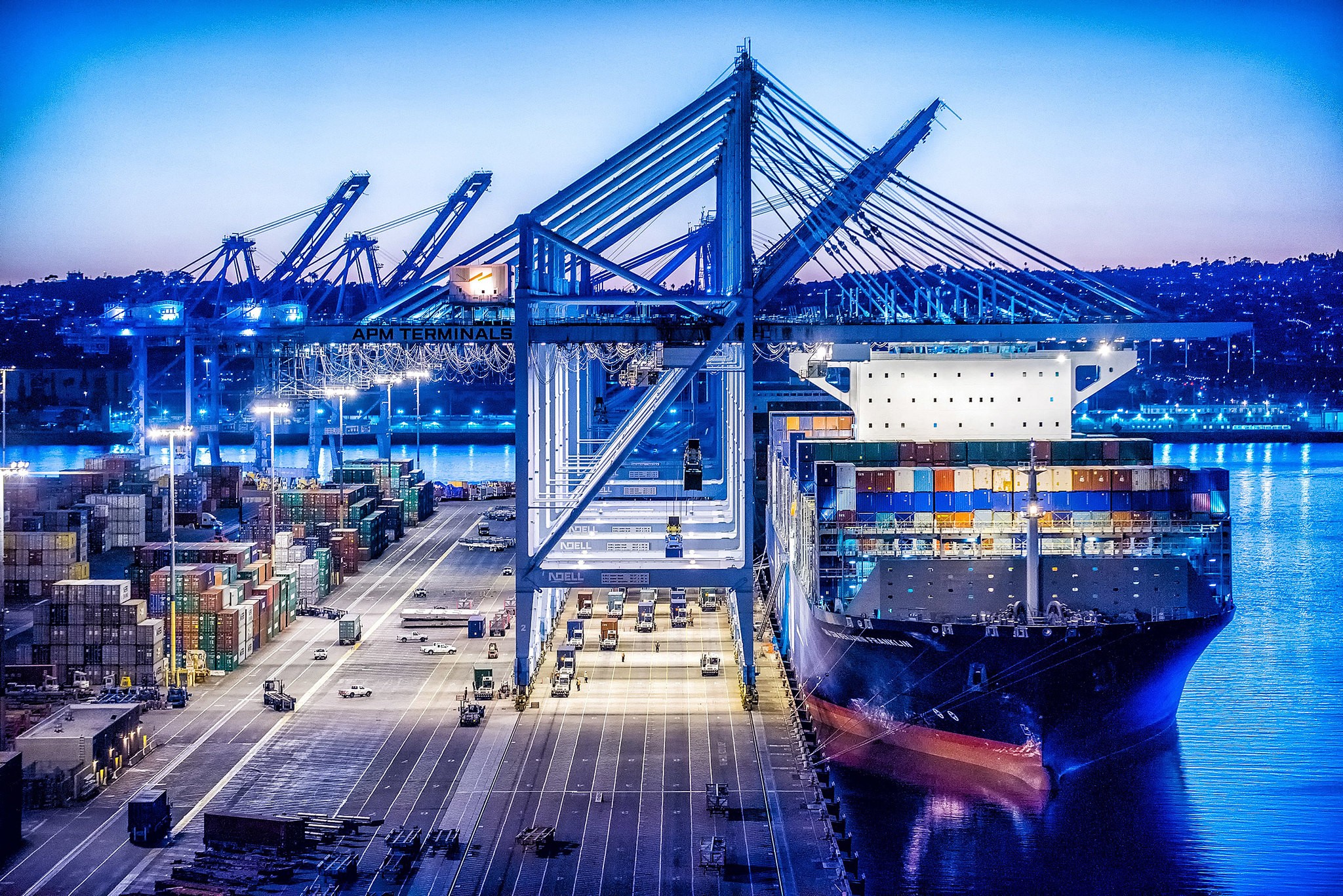
"Despite the global supply chain challenges, the Port of Los Angeles and its partners continue to deliver record amounts of cargo," said the Port's Executive Director, Gene Seroka.
Loaded imports at POLA reached 468,059TEU, about the same amount compared to the previous year, while loaded exports presented a significant decline of 42% compared to the same period last year falling to 75,714TEU, recording the lowest number of exports since 2002.
On the other side, empty containers completed 360,092TEU, a jump of 28% over the previous year's September, due to the continued demand in Asia.
"This is made possible by the extraordinary effort of our longshore workers, truck drivers, terminal operators and so many others on the waterfront and in our region’s warehouses," said Seroka who went on to highlight "the great work by BNSF Railway and Union Pacific, which have reduced the rail backlog in half in the last month and by two-thirds over the last two months."
Meanwhile, the overall cargo volume since the start of the year in the busiest port of the United States has exceeded 8.1 million TEU, marking a noteworthy increase of 26% compared to the corresponding period of 2020.
Source: Container News
Related News

10/06
2026
The update of the Wan Hai Bunker Surcharge (WBS) for Q3/2026 by Wan Hai Lines (WHL) aims to proactively manage operational costs amidst the continuous fluctuations in global oil prices, while complying with stringent clean fuel standards in international maritime transport. This periodic adjustment helps ensure the maintenance of service quality and the stability of shipping routes departing from key southern port clusters (Ho Chi Minh City, Dong Nai, Ba Ria - Vung Tau) to global markets.

05/05
2026
The revised surcharge will take effect from June 1, 2026 (based on gate-in date) and will remain applicable until further notice.

25/03
2026
The global aviation industry is facing a new wave of disruption as ongoing tensions in the Middle East continue to put pressure on jet fuel costs, flight operations, and the overall stability of international air networks. The impact is no longer limited to routes passing directly through conflict-affected areas. Instead, it is now spreading across multiple markets, driving higher airfares while also increasing the risk of flight delays and cancellations on a broader scale.