



NORTH AMERICAN EXPORTERS HAVING A DIFFICULT TIME SCHEDULING OCEAN FREIGHT TO FAR EAST
North American exporters are having a hard time scheduling ocean transportation to the Far East. Industry experts indicate that shipping lines are thriving with huge Asian cargo volumes bound for the U.S. West Coast. Unfortunately, North American export trade is secondary and is often a step-child for ocean cargo services.
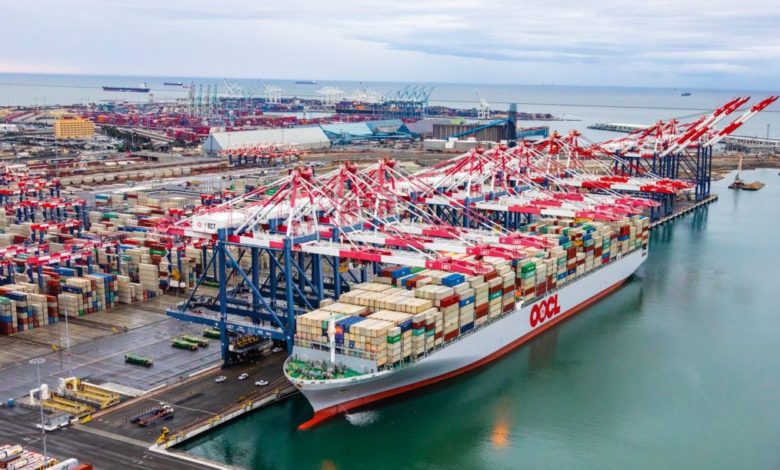
Because of willingness to pay high rates, goods imported to Washington State from the Far East, shipping lines are profiting nicely. As a result, for exporters, vessel schedules have been unreliable.
The Washington Apple Committee has heard from grower-members that there are huge challenges in getting space onboard container ships. To help that situation, Melanie Stambaugh, of the Northwest Seaport Alliance, which represents the ports of Seattle and Tacoma, said her group’s imports are up 25% this year.
In April exports from Seattle and Tacoma were down 11%, indicating that Seattle and Tacoma “are trying to incentivize exports.” The ports are finding unused dock warehouses that can hold perishable products until a shipping opportunity arises. If exporters have a place to hold their products it alleviates the extra transportation cost of running back and forth between their own warehouse and the port.
Source: ajot.com
Related News

10/06
2026
The update of the Wan Hai Bunker Surcharge (WBS) for Q3/2026 by Wan Hai Lines (WHL) aims to proactively manage operational costs amidst the continuous fluctuations in global oil prices, while complying with stringent clean fuel standards in international maritime transport. This periodic adjustment helps ensure the maintenance of service quality and the stability of shipping routes departing from key southern port clusters (Ho Chi Minh City, Dong Nai, Ba Ria - Vung Tau) to global markets.

05/05
2026
The revised surcharge will take effect from June 1, 2026 (based on gate-in date) and will remain applicable until further notice.

25/03
2026
The global aviation industry is facing a new wave of disruption as ongoing tensions in the Middle East continue to put pressure on jet fuel costs, flight operations, and the overall stability of international air networks. The impact is no longer limited to routes passing directly through conflict-affected areas. Instead, it is now spreading across multiple markets, driving higher airfares while also increasing the risk of flight delays and cancellations on a broader scale.