



Port of LA volume celebrations tainted by export decline as lines 'opt for empties'
US west coast port Los Angeles has reported a 27% year-on-year increase in the number of containers handled last month, closing its year at just under 11m teu.
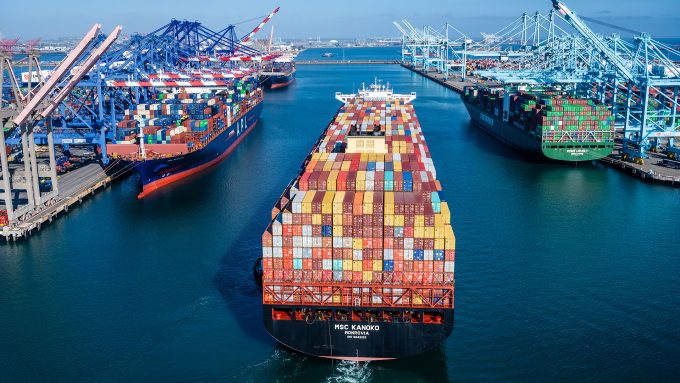
However, under the headline figures was the admission that exports had fallen to 2005 levels.
Exporters have complained that ocean carriers have been shipping empties rather than collecting export cargo, which brings them significantly less revenue, with the port reporting a 12% year-on-year decline in June, to just 96,000 teu.
“It was the lowest amount of exports at the port of Los Angeles since 2005,” conceded the port authority, adding that the number of “empty containers climbed to 312,600 teu, a jump of 47% compared with last year, due to the heavy demand in Asia”.
The US Federal Maritime Commission is investigating complaints by exporters, particularly of agricultural goods, that shipping lines were refusing to carry their cargo, in contravention of US regulations, which requires all lines to provide services to those that require it equally. Much like a taxi driver cannot refuse to take a fare just because it does not suit.
So, when US ports report record volumes, such as the 5.42m teu handled in the first half of this year in Los Angeles, an increase of 44% compared with 2020, it is not a happy time for all beneficial cargo owners, including many importers that cannot pay the high costs of transport, or simply cannot find an empty cargo container in which to ship their cargo.
Source: The Loadstar
Related News

10/06
2026
The update of the Wan Hai Bunker Surcharge (WBS) for Q3/2026 by Wan Hai Lines (WHL) aims to proactively manage operational costs amidst the continuous fluctuations in global oil prices, while complying with stringent clean fuel standards in international maritime transport. This periodic adjustment helps ensure the maintenance of service quality and the stability of shipping routes departing from key southern port clusters (Ho Chi Minh City, Dong Nai, Ba Ria - Vung Tau) to global markets.

05/05
2026
The revised surcharge will take effect from June 1, 2026 (based on gate-in date) and will remain applicable until further notice.

25/03
2026
The global aviation industry is facing a new wave of disruption as ongoing tensions in the Middle East continue to put pressure on jet fuel costs, flight operations, and the overall stability of international air networks. The impact is no longer limited to routes passing directly through conflict-affected areas. Instead, it is now spreading across multiple markets, driving higher airfares while also increasing the risk of flight delays and cancellations on a broader scale.