



Port of Los Angeles to handle 85,000 metric tons of Chilean fruit imports during winter season
This week, the Port of Los Angeles welcomed the initial vessel of Chilean fruit for the year, carrying over 5,300 pallets loaded with grapes and stone fruit.
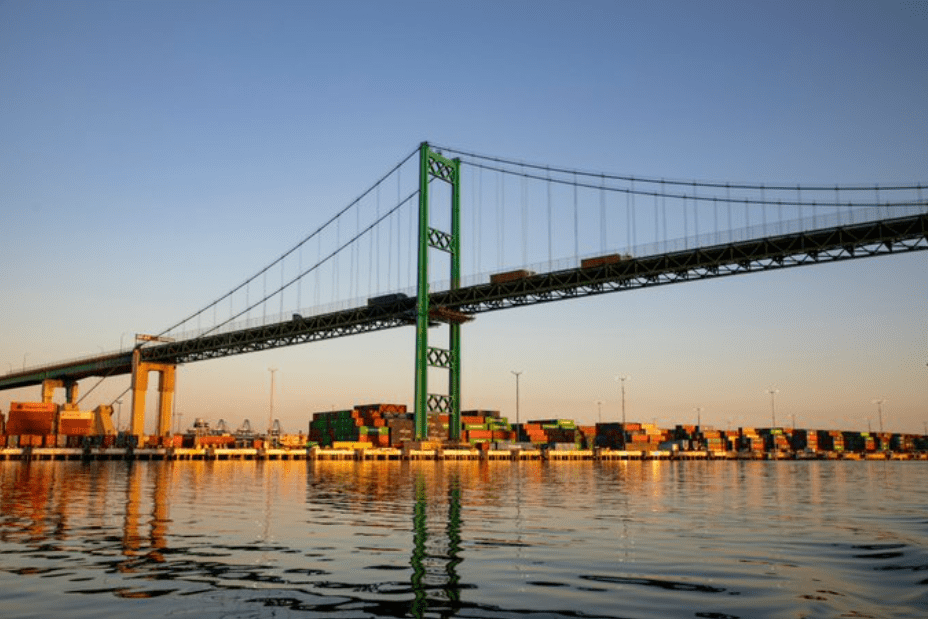
Distinguishing itself as the only US West Coast port equipped to receive specialized refrigerated cargo ships transporting palletized fruit from the South American agricultural hub, the Port plays a crucial role in facilitating this unique trade.
In 2021, the Port of Los Angeles made a substantial investment, nearing US$1 million, to enhance its breakbulk building located at Berths 54-55. Operated by SSA Marine, this marine terminal serves as the primary staging area for pallets of Chilean produce.
Furthermore, SSA Marine distributes these pallets utilizing the Port's expansive network of refrigerated trucking services and cold storage facilities. For over 25 years, Chilean growers have depended on this dedicated port terminal to deliver their fresh produce to consumer markets in North America.
"We have become the main stop for Chilean fruit imports on the West Coast that gets distributed as far north as Canada and as far east as Texas," stated Gene Seroka, executive director of Port of Los Angeles.
Setting sail from the Port of Coquimbo, Chile, on 3 January, the Ivar Reefer, operated by Cool Carriers—a specialized company in the direct transportation of fruit and other perishable goods—utilizes modern cooling and ventilation systems, along with thermal insulation on their vessels.
These features ensure optimal conditions and minimize the risk of damage to perishable cargo. The Ivar Reefer marks the inaugural arrival of many vessels expected at the Port of Los Angeles throughout the winter season, spanning from January to early April.
Gene Seroka further added, "Being able to accommodate and efficiently process a variety of cargo for our customers – such as the fresh breakbulk shipment today – continues to be an important priority for our Port."
Source: Container News
Related News

10/06
2026
The update of the Wan Hai Bunker Surcharge (WBS) for Q3/2026 by Wan Hai Lines (WHL) aims to proactively manage operational costs amidst the continuous fluctuations in global oil prices, while complying with stringent clean fuel standards in international maritime transport. This periodic adjustment helps ensure the maintenance of service quality and the stability of shipping routes departing from key southern port clusters (Ho Chi Minh City, Dong Nai, Ba Ria - Vung Tau) to global markets.

05/05
2026
The revised surcharge will take effect from June 1, 2026 (based on gate-in date) and will remain applicable until further notice.

25/03
2026
The global aviation industry is facing a new wave of disruption as ongoing tensions in the Middle East continue to put pressure on jet fuel costs, flight operations, and the overall stability of international air networks. The impact is no longer limited to routes passing directly through conflict-affected areas. Instead, it is now spreading across multiple markets, driving higher airfares while also increasing the risk of flight delays and cancellations on a broader scale.