



Shanghai port operations normalising as lockdown tapers
Operations in Shanghai port are getting back to normal as the city’s lockdown eases. CMA CGM said in its latest customer advisory that pressure on Shanghai yard resources is easing, while the waiting time for ships in the Waigaoqiao port area has shortened as more port employees resume work.
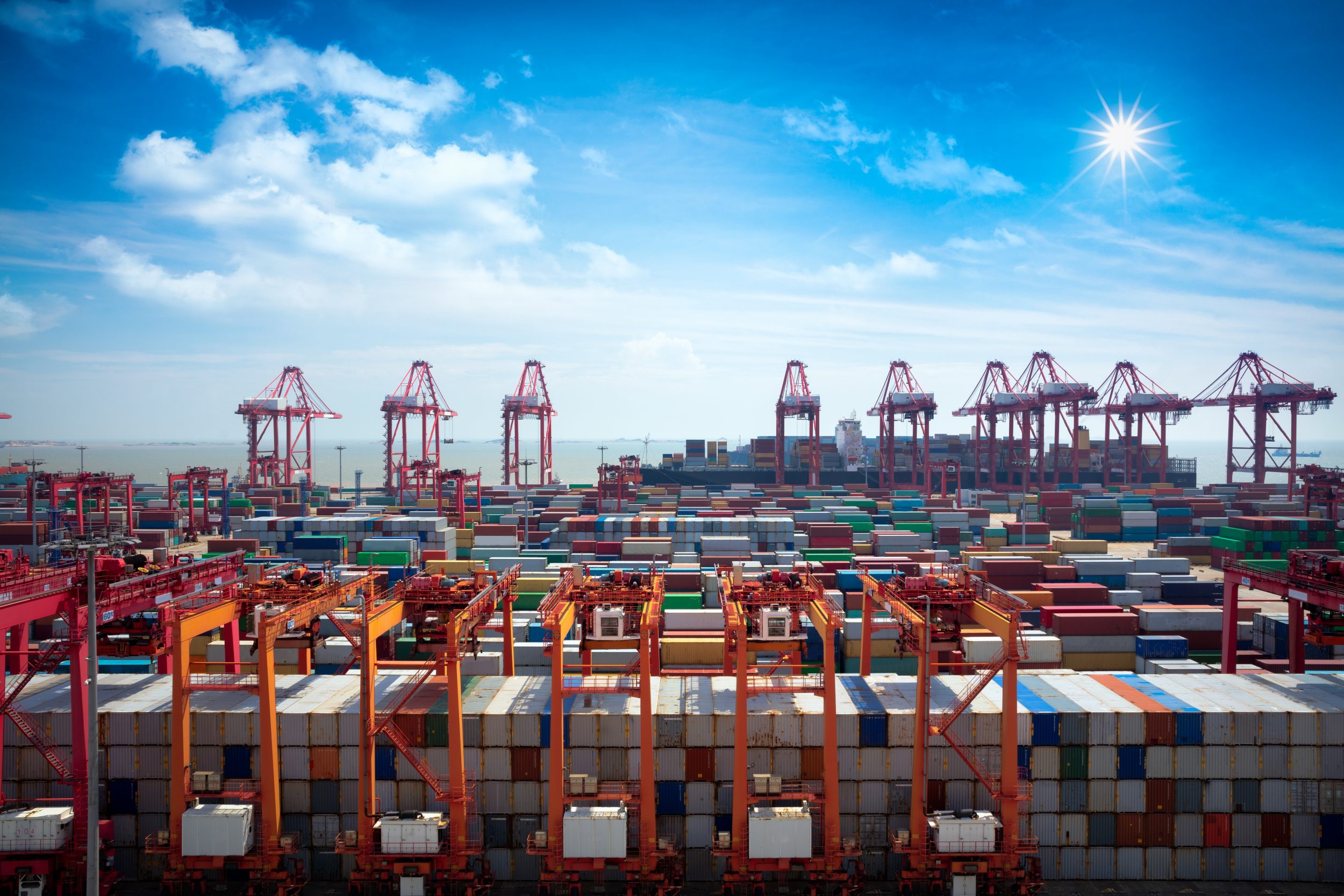
French logistics group GEODIS noted that as Shanghai’s Covid-19 infections have declined to the hundreds in mid-May, the world’s busiest container port is returning to normalcy. Commercial businesses and public transportation have gradually resumed since mid-May, after the lockdown began on 28 March.
GEODIS said, “The exclusive lockdown campaign in Waigaoqiao ended. Consequently, facilities such as container freight stations and container depots associated to Waigaoqiao have gradually gone back to normal in the past week. As a result, the traffic congestion in the Yangshan area has been relieved.”
A commentary from VesselsValue, dated 27 May, said that Shanghai’s congestion remains high for the time of year, but is steadily normalising as the Covid-19 outbreak subsides.
Average waiting times for container ships in Shanghai are now down to 36 hours, from a peak of 69 hours in late April, but remain some 13 hours higher than in the same period in 2021.
On 26 May, China’s Ministry of Transport held a press briefing, where deputy director of transportation services, Li Huaqiang said that in the previous week, Shanghai’s container throughput had recovered to 95.3% of pre-Covid-19 levels.
Trucking volume, affected by inter-city Covid-19 testing, has also rebounded to 90% of pre-pandemic levels.
Li said, “Today, our efforts at facilitating logistics are gradually moving from opening up the main artery to smoothing out the fine details. In the next step, the ministry will focus on improving logistical efficiencies, protecting people’s livelihoods, and reducing burdens. We will provide more support to maintain economic and social stability.”
Source: Container News
Related News

10/06
2026
The update of the Wan Hai Bunker Surcharge (WBS) for Q3/2026 by Wan Hai Lines (WHL) aims to proactively manage operational costs amidst the continuous fluctuations in global oil prices, while complying with stringent clean fuel standards in international maritime transport. This periodic adjustment helps ensure the maintenance of service quality and the stability of shipping routes departing from key southern port clusters (Ho Chi Minh City, Dong Nai, Ba Ria - Vung Tau) to global markets.

05/05
2026
The revised surcharge will take effect from June 1, 2026 (based on gate-in date) and will remain applicable until further notice.

25/03
2026
The global aviation industry is facing a new wave of disruption as ongoing tensions in the Middle East continue to put pressure on jet fuel costs, flight operations, and the overall stability of international air networks. The impact is no longer limited to routes passing directly through conflict-affected areas. Instead, it is now spreading across multiple markets, driving higher airfares while also increasing the risk of flight delays and cancellations on a broader scale.