



Maersk injects additional vessels into Asia – Europe services
Maersk has announced changes to its Asia - Europe network aiming to improve the reliability of its services and enhance their fuel efficiency.
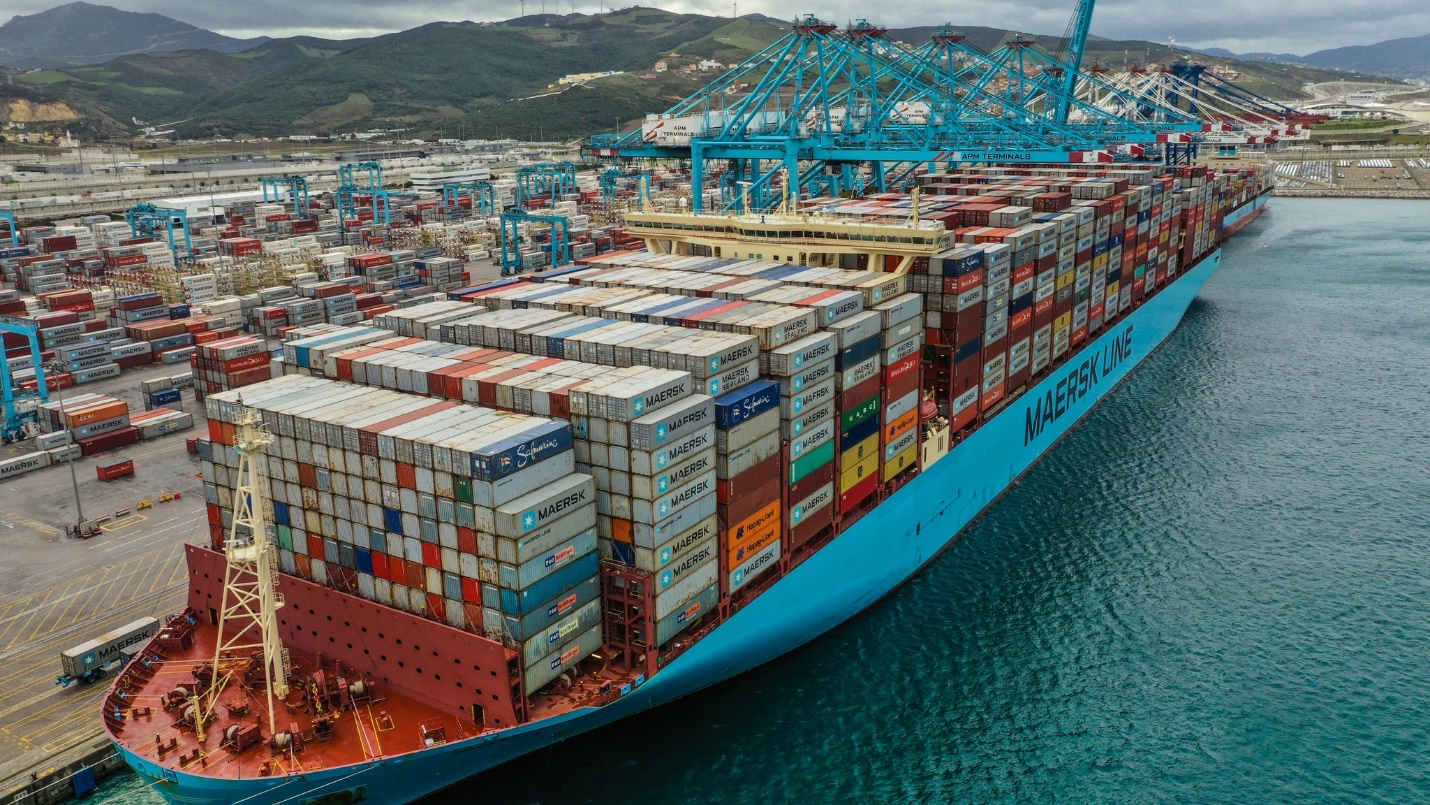
As of week 23, Maersk has decided to inject one vessel into each of the AE5, AE10, AE7, AE55, AE11, AE12, AE15 services and two vessels into the AE6 service.
"The added vessels will allow us to reduce speeds providing needed buffer to absorb schedule challenges, improving reliability, and decreasing the risk of void sailings," said Maersk in a statement. The speed reductions are also expected to reduce emissions significantly, according to the ocean carrier.
The aforementioned changes announced by the Danish shipping company are anticipated to have an impact on average transit times. Maersk noted that the average transit time from Asia to North Europe will be increased by three days, from Asia to the Mediterranean by two days, from North Europe to Asia by three days and from the Mediterranean to Asia by three days.
Source: Container News
Related News

10/06
2026
The update of the Wan Hai Bunker Surcharge (WBS) for Q3/2026 by Wan Hai Lines (WHL) aims to proactively manage operational costs amidst the continuous fluctuations in global oil prices, while complying with stringent clean fuel standards in international maritime transport. This periodic adjustment helps ensure the maintenance of service quality and the stability of shipping routes departing from key southern port clusters (Ho Chi Minh City, Dong Nai, Ba Ria - Vung Tau) to global markets.

05/05
2026
The revised surcharge will take effect from June 1, 2026 (based on gate-in date) and will remain applicable until further notice.

25/03
2026
The global aviation industry is facing a new wave of disruption as ongoing tensions in the Middle East continue to put pressure on jet fuel costs, flight operations, and the overall stability of international air networks. The impact is no longer limited to routes passing directly through conflict-affected areas. Instead, it is now spreading across multiple markets, driving higher airfares while also increasing the risk of flight delays and cancellations on a broader scale.