



Port of New York and New Jersey overtakes San Pedro Bay giants for third consecutive month
Port of New York and New Jersey is the busiest container port in the United States for the third month in a row, handling 18.9% more boxes in October 2022 over pre-pandemic October 2019.
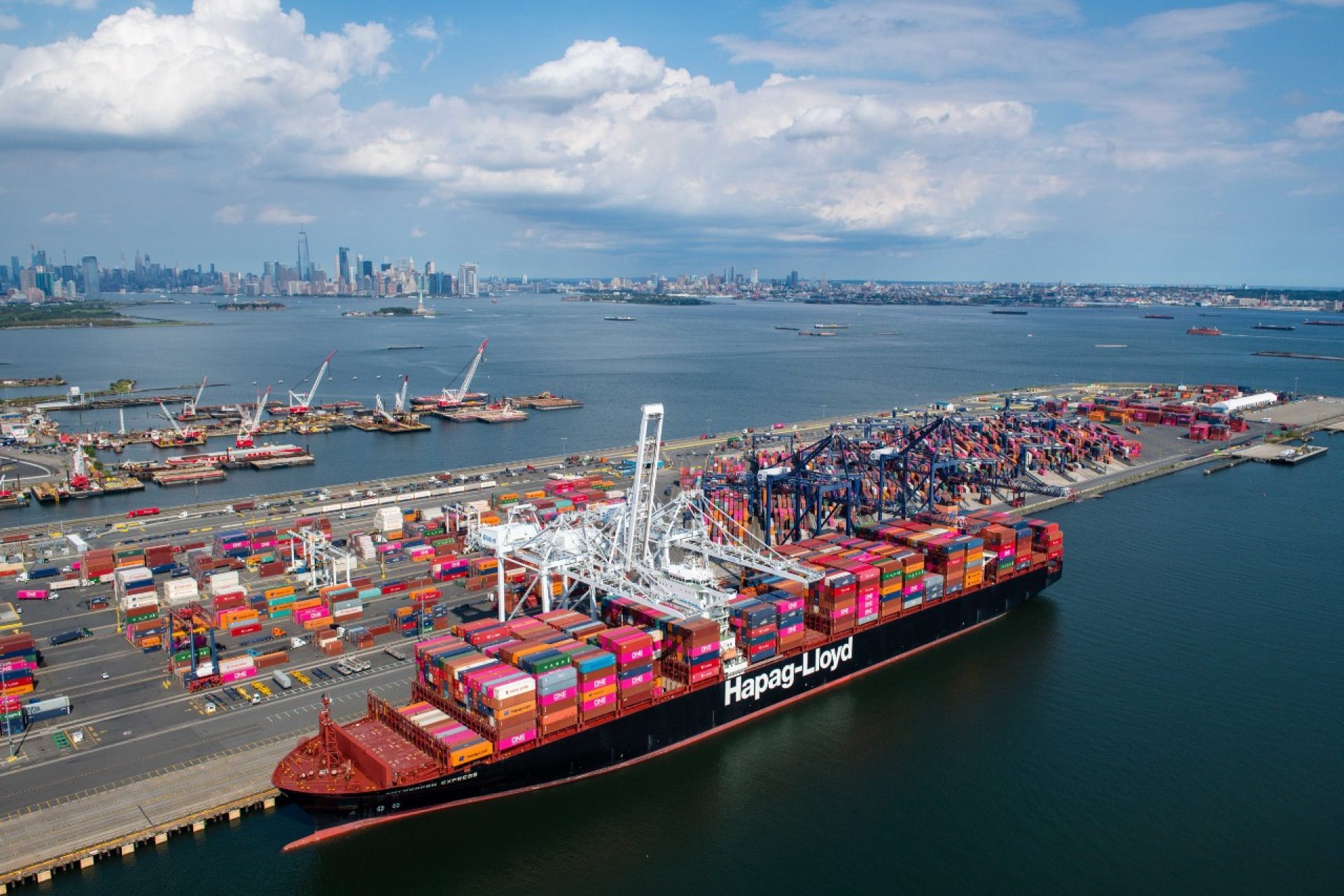
In particular, the Port of New York and New Jersey moved 792,548 TEUs in the previous month, surpassing the two container giants on the West Coast of the United States, the Port of Los Angeles (POLA) and Port of Long Beach (POLB).
In contrast with the port of New York and New Jersey, the two Californian ports experienced significant container volume declines in October. POLA handled 678,429 TEUs, translating to a 25% decrease from the same month in 2021, while POLB reported 658,428 TEUs, which is a 16.6% fall from October in the last year.
However, it is worth mentioning that October cargo volume at the port of New York and New Jersey decreased by 5.9% compared to September 2022, when the seaport handled 842,219 TEUs.
Source: Container News
Related News

10/06
2026
The update of the Wan Hai Bunker Surcharge (WBS) for Q3/2026 by Wan Hai Lines (WHL) aims to proactively manage operational costs amidst the continuous fluctuations in global oil prices, while complying with stringent clean fuel standards in international maritime transport. This periodic adjustment helps ensure the maintenance of service quality and the stability of shipping routes departing from key southern port clusters (Ho Chi Minh City, Dong Nai, Ba Ria - Vung Tau) to global markets.

05/05
2026
The revised surcharge will take effect from June 1, 2026 (based on gate-in date) and will remain applicable until further notice.

25/03
2026
The global aviation industry is facing a new wave of disruption as ongoing tensions in the Middle East continue to put pressure on jet fuel costs, flight operations, and the overall stability of international air networks. The impact is no longer limited to routes passing directly through conflict-affected areas. Instead, it is now spreading across multiple markets, driving higher airfares while also increasing the risk of flight delays and cancellations on a broader scale.