



GLOBAL AIRFARE UNDER PRESSURE AS MAJOR AIRLINES CUT CAPACITY AND RAISE PRICES
The global aviation industry is facing a new wave of disruption as ongoing tensions in the Middle East continue to put pressure on jet fuel costs, flight operations, and the overall stability of international air networks. The impact is no longer limited to routes passing directly through conflict-affected areas. Instead, it is now spreading across multiple markets, driving higher airfares while also increasing the risk of flight delays and cancellations on a broader scale.
Airlines worldwide are not only dealing with surging oil and jet fuel prices, but also with growing uncertainty in scheduling and operational planning — particularly on long-haul routes and services heavily reliant on international transit hubs. As a result, many carriers are being forced to reduce flight frequencies, adjust route networks, or increase ticket prices in order to offset rising operating costs.
Major Airlines Begin Tightening Capacity and Raising Fares
One of the clearest signs of this shift comes from Scandinavian carrier SAS, which has announced plans to cancel 1,000 flights next month. The decision is directly linked to rising fuel prices, which are creating mounting concerns over profitability and operational efficiency, especially for fuel-intensive long-haul services.
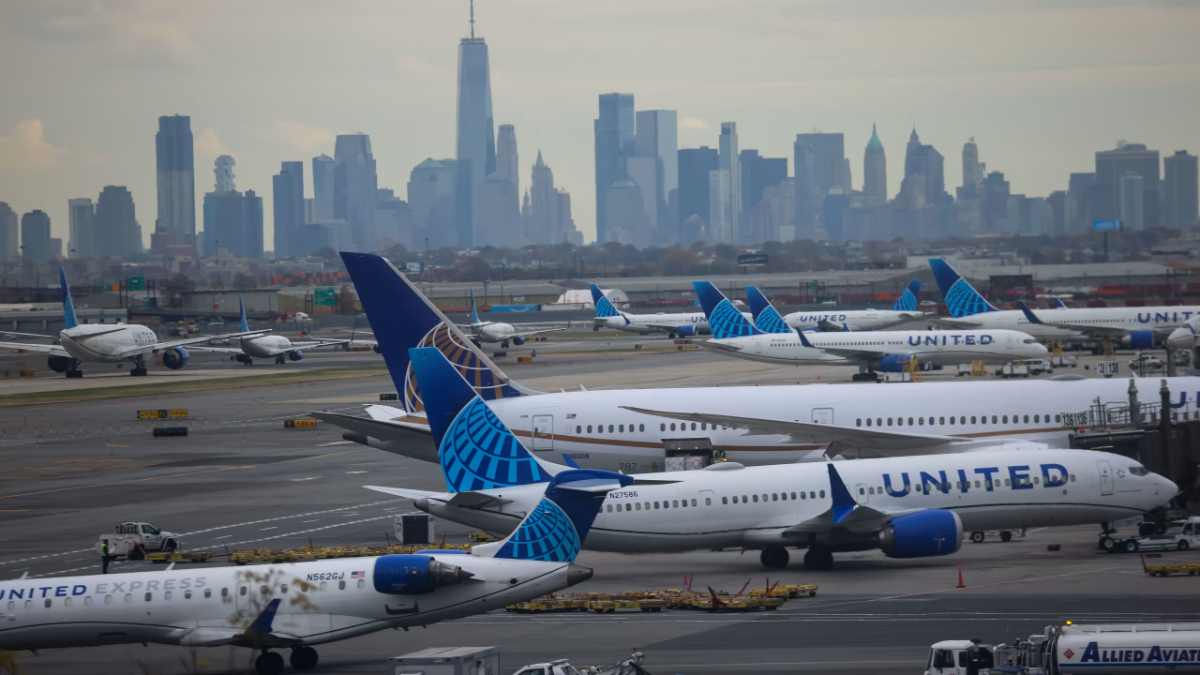
In the United States, United Airlines has also announced plans to cut approximately 5% of its scheduled flights in the second and third quarters. The airline said it is preparing for a scenario in which oil prices remain elevated for an extended period, even considering the possibility of crude reaching USD 175 per barrel and staying above USD 100 per barrel through the end of 2027. In response, United has already reduced lower-yield flights such as midweek, late-night, and certain Saturday services, while also suspending routes to Tel Aviv and Dubai.
In the United Kingdom, although some major carriers have secured part of their current fuel requirements through hedging, the market remains highly exposed, as more than 80% of the UK’s jet fuel supply is imported. This highlights how even short-term disruptions in fuel supply can quickly translate into higher operating costs across the aviation sector.
Asia-Pacific Is Also Feeling the Pressure
The impact is not limited to North America and Europe. Across the Asia-Pacific region and Oceania, airlines have also begun adjusting pricing and operations. Carriers such as Cathay Pacific, AirAsia, and Thai Airways have already raised fares on selected routes. Meanwhile, in India, long-haul airfares are reported to have risen by around 15%, with further increases under consideration if cost pressures continue.
In the Southern Hemisphere, Qantas and Air New Zealand have also raised fares since the beginning of the week. Notably, Air New Zealand has announced that it will cancel thousands of flights between March 16 and May 3, affecting approximately 44,000 passengers. This is a significant figure and reflects the increasingly defensive stance airlines are taking as they move to protect margins rather than maintain previous capacity levels.
According to aviation analytics firm Cirium, long-haul routes with already limited capacity are expected to see the strongest pricing pressure. In particular, routes that have historically relied heavily on the networks of Emirates, Etihad Airways, and Qatar Airways may face steeper fare increases than the market average. Flights from Australia to Europe, North America, and North Asia are considered among the most vulnerable to near-term price hikes.
Signs of Disruption Are Already Visible Across the Network
The report also shows that several airlines are still trying to maintain service levels despite airspace restrictions and mounting operational costs. Qatar Airways, for example, has only partially restored its flight schedule, but continues to operate from Doha to more than 70 destinations worldwide. Meanwhile, Emirates recorded 366 flights on March 20 alone, demonstrating a strong effort to stabilize operations.
However, even with these recovery efforts, the risk of delays and cancellations remains elevated, as airspace limitations and operational uncertainty continue to affect global flight planning.
More importantly, the impact is unlikely to remain short-term. According to Cirium, tickets booked within the next two weeks are expected to become significantly more expensive, while overall seat supply is likely to tighten. In fact, even flights booked as far ahead as July 2026 may continue to face upward pricing pressure if disruptions persist.
Vietnam Is Also Beginning to Feel the Impact
For the Vietnamese market, the effects are already becoming increasingly visible. According to a rapid survey conducted by the Civil Aviation Authority of Vietnam (CAAV) on March 20, involving nearly 40 international and regional airlines, including many operating to and from Vietnam, more than 60% of carriers had already implemented or were planning to implement fuel surcharges and fare increases from mid-March onward.
This trend is not only being seen in Asia, but is also spreading across Europe and North America, suggesting that fare pressure is becoming a global issue rather than a regional one.
Not Just a Passenger Issue
At its core, this is no longer just an aviation issue or a passenger concern. As ticket prices rise and flight schedules become less reliable, the effects are spilling over into tourism, trade, transportation, and supply chains.
For import-export businesses and companies that rely on air cargo, reduced flight frequencies and higher fuel costs may lead to:
- Higher freight costs
- Increased risk of shipment delays
- Less flexibility in maintaining delivery schedules
- Additional operational pressure during peak seasons
Related News

10/06
2026
The update of the Wan Hai Bunker Surcharge (WBS) for Q3/2026 by Wan Hai Lines (WHL) aims to proactively manage operational costs amidst the continuous fluctuations in global oil prices, while complying with stringent clean fuel standards in international maritime transport. This periodic adjustment helps ensure the maintenance of service quality and the stability of shipping routes departing from key southern port clusters (Ho Chi Minh City, Dong Nai, Ba Ria - Vung Tau) to global markets.

05/05
2026
The revised surcharge will take effect from June 1, 2026 (based on gate-in date) and will remain applicable until further notice.

12/03
2026
Amid the sharp rise in global fuel prices since early March 2026, driven by ongoing geopolitical tensions in the Near and Middle East, bunker costs across the ocean shipping industry have increased significantly on most trade lanes.